विशेष लेख
A Global Ranking of 7 Mousse Varieties: From Top-Tier to Bottom
Mousse is a culinary masterpiece defined by its light, airy structure and velvety consistency. While many associate the dish exclusively with sweet French confections, the term encompasses a wide range of preparations, including savory appetizers. This ranking explores seven distinct versions of mousse from around the world, ordered by their popularity and culinary acclaim.
Grant Holloway
लेखक
लेख परिचय
नीचे पूरा लेख पढ़ें।
अनुभाग
समाचार
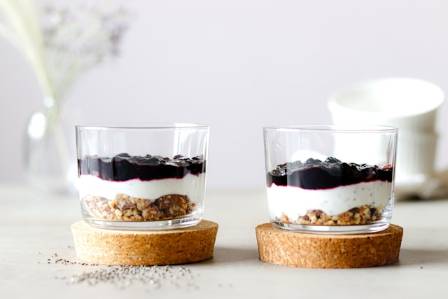
Mousse is a culinary masterpiece defined by its light, airy structure and velvety consistency. While many associate the dish exclusively with sweet French confections, the term encompasses a wide range of preparations, including savory appetizers. This ranking explores seven distinct versions of mousse from around the world, ordered by their popularity and culinary acclaim.
1. Passion Fruit Mousse (Mousse de Maracujá)
Widely considered the unofficial national dessert of Brazil, this tropical treat is a staple at dinner parties and local bakeries alike. The recipe is celebrated for its simplicity and vibrant flavor profile, traditionally combining fresh passion fruit pulp, sweetened condensed milk, and a thick cream known as creme de leite. The result is a decadent yet tangy dessert that perfectly balances sweetness with acidity. For the best presentation, it is typically served in elegant parfait glasses and finished with a generous dollop of whipped cream to enhance its luscious texture.

2. Chocolate Mousse (Mousse au Chocolat)
This iconic French creation is perhaps the most famous iteration of the dish globally. Crafted from high-quality dark chocolate, butter, sugar, and eggs, it is defined by a signature bubbly, foamy mouthfeel and an intense cocoa depth. While chocolate was introduced to France via Spain in the 17th century, the specific technique of whipping it into a mousse gained prominence in the 18th century. Modern versions often include a garnish of chocolate shavings or fresh fruit, such as raspberries or strawberries, to provide a sharp contrast to the rich, smooth base.
3. Lemon Mousse (Mousse au Citron)
Another elegant contribution from France, the lemon mousse is prized for its refreshing and zesty character. This dessert utilizes a combination of egg yolks, sugar, cream, and a significant amount of fresh lemon juice and zest. The final product is a sophisticated balance of creaminess and citrus tang. While frequently enjoyed on its own as a light palate cleanser, it is also a popular filling for high-end cakes. It is best served thoroughly chilled, often garnished with fresh mint leaves or seasonal berries to highlight its summer appeal.
4. Caramel Mousse (Mousse au Caramel)
Caramel mousse represents the luxurious side of French confectionery, offering a silky, buttery experience. The base consists of caramelized sugar blended with cream and butter, often enhanced with natural flavorings like honey or vanilla bean. Because of its versatile flavor, chefs frequently experiment with this variety by adding textured elements like crushed peanuts or chocolate bits. A popular modern twist involves a light dusting of sea salt, transforming the dish into a sophisticated salted caramel mousse that appeals to contemporary palates.
5. Duck Liver Mousse with Port (Mousse de Foie de Canard au Porto)
Moving into the savory realm, this French classic is an exercise in culinary refinement. It features duck liver blended with milk, butter, and eggs, fortified with the rich, sweet notes of Port wine. The mixture is whipped into a delicate foam and gently cooked using a water bath (bain-marie). To ensure preservation and richness, the mousse is typically sealed under a thin layer of fat. It is traditionally served cold as a starter, spread across crusty rustic bread, and paired with dry white or light red wines.
6. Coffee Mousse (Mousse au Café)
Although it is a pillar of traditional French cooking, coffee mousse has found a permanent home in international cuisine. Similar to its chocolate counterpart, it begins with a base of whisked egg yolks and sugar infused with strong coffee or espresso. The addition of stiffly beaten egg whites or heavy whipped cream provides the essential aeration that makes the dessert feel weightless. Served in chilled glassware, it serves as a popular, caffeinated conclusion to a heavy meal, offering a light yet flavorful finish.
7. Bresaola Mousse (Mousse di Bresaola)
Originating from the Valtellina region of Italy, this savory mousse is a unique way to enjoy bresaola—an air-dried, salted beef. This preparation is remarkably quick and simple, involving finely chopped beef blended with a soft, creamy cheese like mascarpone or ricotta. The mixture is seasoned with olive oil, black pepper, and a hint of lemon zest to brighten the savory notes. This mousse is most commonly used as a gourmet spread for toasted crostini, serving as an easy yet impressive appetizer for social gatherings.

यह भी पढ़ें

विनिर्माण क्षेत्र में रोबोटिक आर्म्स के लिए एक व्यापक मार्गदर्शिका
नंदलाल गौतम
Sizzling Asian Seafood Udon Recipe
Lyra Quinn

Master the Art of Wildlife Illustration: Painting a Majestic Stags in Oils
Julian Westbrook

स्वास्थ्य के लिए शीर्ष 10 खाद्य पदार्थ
आलिया

Easy Autumn Squirrel Paper Craft for Kids
Quinn Harper

From Strings to Macrame Masterpieces: Unveiling the Creative Journey of a Macrame Artist
Lucas Taylor