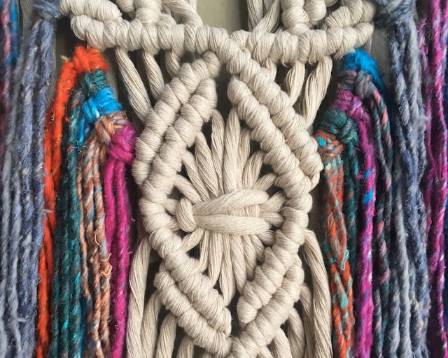
Macrame, an ancient craft rooted in the art of knotting, has reclaimed its spot in modern creativity—blending timeless simplicity with intricate design to transform ordinary spaces. Whether it’s a cascading plant hanger that breathes life into a windowsill or a textured wall hanging that becomes the focal point of a living room, this art form relies on just three core elements: string, rope, and knots. Yet behind every finished piece lies a thoughtful, personal creative process—one that weaves together inspiration, material choice, technique, and passion. As Isabella Strambio, a macrame expert with years of teaching and creating under my belt, I want to pull back the curtain on this journey. From sparking that initial idea to selling your first masterpiece, this guide will walk you through every step, whether you’re a curious beginner or an enthusiast looking to deepen your craft. My goal? To help you see the artistry in every knot—and maybe even inspire you to pick up a cord and start creating your own.
The First Spark: Finding Inspiration That Drives Macrame Creations
Every macrame project starts with inspiration, and for me, it rarely comes from a single place—it’s a mix of the world around me, other creators, and my own emotions. Nature is my greatest muse: the way ivy twists around a fence gives me ideas for looping knots; the rhythm of ocean waves inspires flowing, asymmetrical designs; even the texture of moss on a stone makes me think about how to layer cords for depth. I always carry a small sketchbook to jot down these moments—quick doodles of shapes or knot sequences that I can revisit later. Beyond nature, I draw inspiration from artists in other fields: a jewelry maker’s use of tiny beads teaches me to add subtle details; a potter’s focus on texture reminds me to embrace imperfection in my knots; a weaver’s bold color combinations push me to step outside my neutral comfort zone. Social media, too, has been a game-changer—platforms like Instagram and Pinterest let me connect with macrame artists from across the globe, collaborate on small projects, and share works-in-progress that often spark new ideas. But the most powerful inspiration comes from within: macrame is my way of expressing emotions. When I’m happy, my knots are loose and airy; when I’m processing something difficult, I lean into tight, structured patterns that require focus. Every piece I make is a little piece of my story—and that’s what makes it unique.
Laying the Foundation: Choosing Materials That Align With Your Vision
Once inspiration strikes, the next step is picking materials—and this is where sustainability and quality take center stage for me. I use only 100% recycled cotton for every project: it’s soft yet durable, holds knots well, and aligns with my commitment to reducing waste. But not all recycled cotton is the same—you need to match the cord to your project. For example, a medium-weight cord (3-5mm) works best for beginners or small pieces like keychains, while a thicker cord (8-10mm) is better for sturdy items like plant hangers or bags. For bags, I always choose braided recycled cotton—it’s more durable than twisted cord and easier to clean. Color is another key choice: I love neutral tones (beige, oatmeal, charcoal) for their versatility—they fit into most home decor—but I’ll add a pop of color (terracotta, sage green) or a textured fiber (like t-shirt yarn or raffia) when I want to create depth. T-shirt yarn, for instance, adds a chunky, playful vibe to wall hangings, while raffia brings a rustic, bohemian feel. If you’re looking for reliable suppliers, I’ve curated a list on my website: in the UK, EcoCords offers a great range of recycled cotton, and in Europe, Macrame Supply Co. has excellent textured fibers. Remember, the right materials don’t just make your project look better—they make the process more enjoyable, too.
Taking the First Knot: A Beginner-Friendly Guide to Starting Macrame
I often hear from beginners that macrame feels overwhelming—too many knots, too much conflicting advice. I get it: when I started, I wasted hours on confusing tutorials and bought the wrong cords, which left me frustrated. That’s why I created a free resources page on my website—one place where you can find everything you need to start. First, gather your tools: a wooden dowel or metal ring (to anchor your project), sharp scissors, a measuring tape, and masking tape (to hold cords in place). Then, master the three basic knots—they’re the building blocks of every design. The lark’s head knot attaches cords to your dowel/ring: fold a cord in half, loop it over the dowel, and pull the ends through the loop. The square knot is for creating patterns: take two outer cords, cross them over the center cords, and pull them through the loops (it’s like tying a shoelace, but neater). The half hitch knot is for diagonal lines: wrap a cord around a center cord and pull it through the loop. Practice these knots for 10-15 minutes a day—focus on consistency, not perfection. My tutorials include close-up videos and printable cheat sheets, so you can learn at your own pace. I see students go from “I can’t do this” to finishing their first plant hanger in weeks—and that’s the magic of macrame: anyone can learn it, with a little patience.
Avoiding Common Pitfalls: Mistakes Every New Macrame Artist Makes (And How to Fix Them)
Macrame takes practice, but you can save time by avoiding these common mistakes. The biggest one? Using the wrong material. I once had a student try to make a plant hanger with thin, cheap cotton cord—it unraveled halfway through! Always match your cord to the project: braided cord for bags, thick twisted cord for plant hangers, thin cord for delicate wall hangings. Another mistake is inconsistent knot tension: if knots are too loose, your project will sag; too tight, and it will look rigid. To fix this, practice on a scrap cord—pull until the knot holds, but still feels flexible. A third error is skipping the measuring step: cutting cords too short means you can’t finish the project; too long means you’ll have extra cord to trim (which is wasteful). Measure twice, cut once—and add 10-20% extra length for fringes or adjustments. Finally, don’t rush the planning phase: sketch your design first, even if it’s a rough doodle. This helps you visualize the knot sequence and avoid redoing sections. Mistakes aren’t failures—they’re part of learning. I still make them sometimes, but they always teach me something new.
Elevating Your Design: Using Color and Texture to Make Your Macrame Stand Out
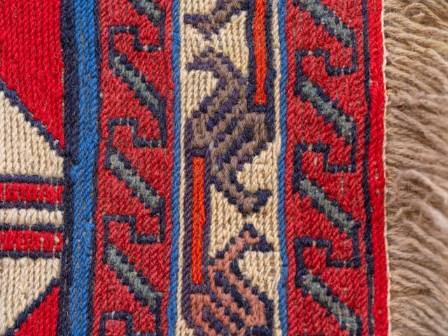
Color and texture are what turn a basic macrame piece into something special. When choosing colors, think about where the piece will live: neutral tones (cream, light gray) calm a bedroom, while bold colors (mustard, forest green) add energy to a living room. I love using color theory to guide me: analogous colors (like pink and lavender) create a soft, cohesive look, while complementary colors (blue and orange) make a bold statement. For beginners, start with one or two colors—too many can feel overwhelming. Texture is just as important: mix different fibers to add depth. Try pairing recycled cotton with raffia for a rustic wall hanging, or add wooden beads to the ends of a plant hanger for a boho touch. Crystals are another favorite—they catch the light and add a subtle sparkle to wall hangings. I also experiment with cord thickness: using a thick cord for the base and thin cords for details creates visual interest. Remember, there’s no “right” way to use color and texture—trust your instincts. Some of my favorite pieces came from happy accidents, like mixing two textures I thought wouldn’t work.
Sharing and Selling Your Work: From Hobby to Creative Business
Once you finish a macrame piece, share it—art is meant to be seen! I encourage my students to post their work on Instagram or Pinterest: share photos of the finished piece, plus behind-the-scenes shots of your process (like tying knots or choosing materials). People love seeing the “how” behind the art, and it’s a great way to connect with other macrame lovers. If you want to sell your work, there are plenty of options. Etsy is a great starting point—it has a built-in audience of craft lovers, and setting up a shop is easy. Optimize your listings with keywords (like “handmade macrame plant hanger” or “boho macrame wall hanging”) to help people find you. As you grow, consider creating your own website with Showit or Shopify—this lets you control your brand and keep more of your profits. Local craft fairs and art shows are also wonderful: customers can touch your work and ask questions, which helps them appreciate the craftsmanship. If you’re new to selling, check out my “Creative Business” page for tips on pricing (factor in material costs, time, and overhead) and marketing. Remember, selling your work isn’t just about making money—it’s about sharing your passion with others.
Final Thoughts: Embracing the Journey of a Macrame Artist

Macrame isn’t just a craft—it’s a way to slow down, be present, and create something with your hands. I fell in love with it years ago because it combines creativity with calm: tying knots helps me clear my mind, and finishing a piece gives me a sense of pride I don’t get from anything else. The creative process isn’t linear—some days you’ll find inspiration easily; other days, you’ll struggle. That’s okay. What matters is that you keep going. If you’re ready to deepen your skills, join my online macrame courses—they’re designed for beginners to advanced makers, with step-by-step tutorials and personalized feedback. And remember Maya Angelou’s words: “When you learn, teach. When you get, give.” The macrame community is all about supporting each other—share your tips, celebrate each other’s wins, and keep creating. From a single cord to a masterpiece, every step is worth it. I can’t wait to see what you make.