← मुखपृष्ठ3 मिनट का पाठ
विशेष लेख
Optimal Timing and Locations for Encountering Snow Leopards in India
For many nature enthusiasts, the ultimate prize is catching a glimpse of the "gray ghost," the moniker given to the mysterious snow leopard.
C
Clara
लेखक
लेख परिचय
नीचे पूरा लेख पढ़ें।
अनुभाग
समाचार
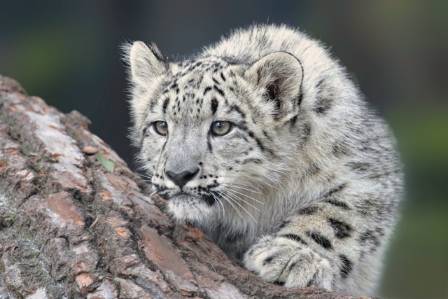
Where Can Snow Leopards Be Found?
For many nature enthusiasts, the ultimate prize is catching a glimpse of the "gray ghost," the moniker given to the mysterious snow leopard. These secretive felines are notoriously difficult to find within their rugged alpine territories, which stretch across 12 Central Asian nations: Afghanistan, Bhutan, China, India, Kazakhstan, Kyrgyzstan, Mongolia, Nepal, Pakistan, Russia, Tajikistan, and Uzbekistan. Their coats, covered in grayish-brown rosettes, provide such effective camouflage against the rocky cliffs that they are nearly invisible to the untrained eye, making the assistance of professional guides indispensable.
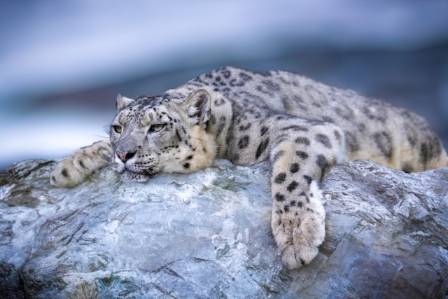
Conservation Status of the Snow Leopard
The current wild population of these cats is estimated to be between 3,900 and 7,000. Providing an exact census is a monumental task due to the extreme altitudes, harsh weather, and the vast, inaccessible terrain they inhabit. While their official classification was recently adjusted from endangered to vulnerable, they remain under significant threat from poaching and conflicts with local communities. China hosts approximately 60% of the population, followed by Mongolia, but much of the habitat in those nations is closed to the public.
In many regions, tracking these animals involves joining research-based expeditions where participants follow conservationists who monitor the cats using field observations and motion-sensing cameras. While trips can technically be arranged year-round, the warming temperatures of spring and summer cause these shy predators to retreat higher up the mountains, away from human settlements.
When is the Peak Viewing Season?
The most favorable window for a tracking expedition is from November through March. Snow leopards generally inhabit elevations between 6,000 and 22,000 feet. During the winter, the high peaks are buried in deep snow, forcing their primary prey—such as blue sheep (bharal), wild goats (ibex), mountain sheep (argali), pikas, and marmots—to descend to lower slopes in search of vegetation. Naturally, the snow leopards follow their food source down the mountain, where they occasionally also target domestic livestock.
Top Destinations for Sightings
The Ladakh district in India’s Himalayan north is widely considered the premier location for viewing snow leopards, as it has a well-developed infrastructure for specialized expeditions. In this region, treks are supported by extensive teams including expert spotters, chefs, and porters. The trackers are often local residents who have spent their lives in these mountains and possess an intimate understanding of the "shan," the local name for the leopard. These scouts often head out in the freezing darkness of early morning to search for fresh tracks, droppings, or signs of a recent hunt while guests are still at camp. This coordination ensures that travelers are brought to the best vantage points for a sighting. While the cats are most active at twilight, the daylight hours offer opportunities to observe other local fauna like Tibetan wolves, red foxes, ibex, and yaks.
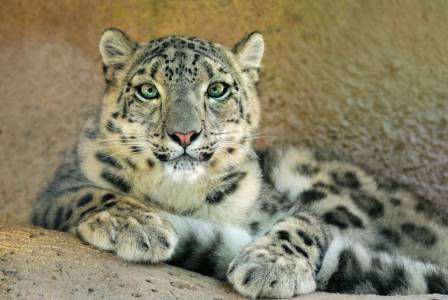
Fascinating Snow Leopard Trivia
These are solitary animals that only congregate during the January-to-March breeding season or when a mother is raising cubs during the summer.
The size of their home range depends on food availability; it can vary from a compact 11 square miles to a massive 300 square miles in areas where prey is scarce.
Unlike other large felines, snow leopards lack the physiological ability to roar.
Human activity represents their greatest danger, specifically through poaching and the over-hunting of the wild sheep and goats they rely on for food.
Their massive paws serve as natural snowshoes, allowing them to traverse deep drifts and icy ledges with ease.
An adult typically weighs between 77 and 120 pounds, with males being roughly 30% larger than females. They stand about two feet tall, with a body length up to 59 inches and a thick tail that can reach 40 inches.
Genetically, the snow leopard is more closely related to the tiger than it is to the leopard.
Would you like me to help you find the best travel routes or gear requirements for a high-altitude expedition to Ladakh?
यह भी पढ़ें

hi
पुरुषों के लिए आदर्श स्वेटर चुनने के लिए एक व्यापक मार्गदर्शिका
स्मृति बांगड़
hi
दुनिया के सबसे अच्छे गांव कौन से हैं?
समीर

hi
गोरी त्वचा, बड़ी आंखों और सूजे हुए होंठों पर सारा ध्यान केंद्रित करने के कारण, हम भारतीय सौंदर्य मानकों को भूल गए, जिनका हमें जश्न मनाना चाहिए।
शेखर

hi
स्की कहाँ करें | दुनिया के 25 सबसे अच्छे स्की रिसॉर्ट 2026
चांदनी

en
The World's Largest Turtle: A New Chapter
Lee

en
Exploring Chicago's Artistic Marvels: A Showcase of 3 Captivating Murals
Liam Thompson