← मुखपृष्ठ3 मिनट का पाठ
विशेष लेख
What Defines the Perfect Sports Car?
For decades, car enthusiasts have argued over what truly makes a sports car. The debate is often passionate, with disagreements flaring about power, practicality, and even the definition of “sport.” But looking across history—from MGs and Triumphs to Miatas and Porsches—a pattern emerges. A great sports car isn’t just about speed; it’s about balance, feel, and emotion.
C
Chloe Richardson
लेखक
लेख परिचय
नीचे पूरा लेख पढ़ें।
अनुभाग
समाचार
For decades, car enthusiasts have argued over what truly makes a sports car. The debate is often passionate, with disagreements flaring about power, practicality, and even the definition of “sport.” But looking across history—from MGs and Triumphs to Miatas and Porsches—a pattern emerges. A great sports car isn’t just about speed; it’s about balance, feel, and emotion.
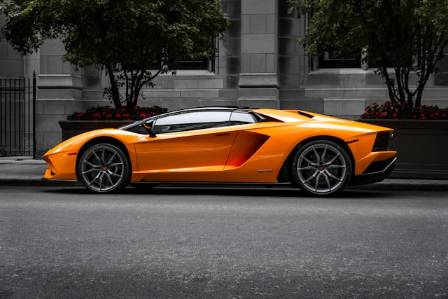
1. Built for the Road Course
Sports cars were born from racing, specifically road racing in Europe. They were lightweight machines meant to handle corners, not just sprint down a drag strip. Whether it was a 1949 MG TC or a modern Porsche 911, the best sports cars are track-capable straight from the showroom.
2. Must Have Charisma
Numbers alone don’t define greatness. Sports cars need to stir emotions—whether it’s a Ferrari poster on a teenager’s wall or a lowered Miata catching a kid’s eye on the street. A real sports car makes people feel something just by seeing or riding in it.
3. Rear-Wheel Drive
While front-wheel drive works for efficiency and packaging, it doesn’t deliver the same handling purity. Rear-wheel drive has long been the gold standard for performance driving. All-wheel drive cars may be brutally fast, but the traditional sports car formula still rests on power going to the back.
4. Two Seats Only
Practicality isn’t the goal. A true sports car is about the bond between driver, machine, and maybe one lucky passenger. Anything more dilutes the purpose. That’s why a Porsche 911 barely qualifies—its rear seats are more symbolic than usable.
5. Manual Transmission
Purists argue a sports car needs a stick shift. Rowing your own gears isn’t just tradition—it’s about control, connection, and rhythm. Automatics may be quicker on paper, but they can’t anticipate a driver’s intent. The satisfaction of heel-toe downshifts and rev matching is irreplaceable.
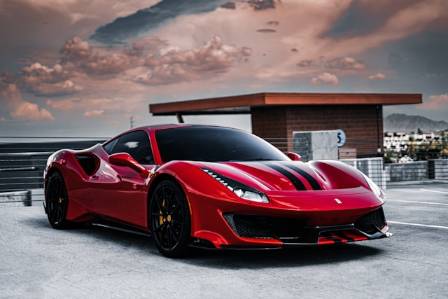
6. Lightness Above All
Weight is the enemy of performance. Lotus founder Colin Chapman said it best: “Simplify, then add lightness.” A lighter car corners better, brakes harder, and feels sharper. Balanced weight distribution—ideally 50/50—is another essential ingredient.
7. Beauty Matters
Looks may be subjective, but style is part of passion. From the curves of an E-Type to the clean lines of a Miata, beauty helps cement a car’s place in history. Some machines looked the part but failed dynamically, proving that form without function doesn’t cut it.
8. Open-Air Freedom
Not every sports car is a convertible, but the open-top experience adds excitement. Feeling the wind and hearing the engine without a roof enhances the connection. Coupes can be gorgeous, but roadsters often carry more soul.
9. Enough Power
Sports cars don’t need endless horsepower; they just need enough to feel lively. Classic MGs and Triumphs weren’t fast, but they offered balance and involvement. What matters is a strong power-to-weight ratio and an engine that responds eagerly.
10. Useful Torque
Acceleration and mid-range punch are just as important as peak horsepower. Torque makes a car fun in everyday driving, not just at redline. From tiny Austin-Healey Sprites to big V8 bruisers, the cars we remember are the ones that made us smile at any speed.
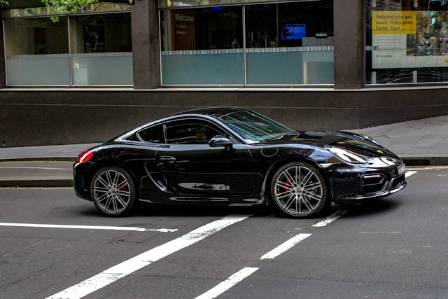
Engineering the Ideal Sports Car
Designing a sports car is about removing excess and focusing on essentials. The blueprint includes:
A stiff, lightweight chassis.
Balanced weight distribution.
A low center of gravity.
Responsive suspension with real feedback.
Strong brakes.
Suspension design is especially critical—keeping tires planted in corners separates the legends from the forgettable. Likewise, steering feel, brake response, and overall feedback build the “oneness” between driver and car.
यह भी पढ़ें

hi
कला में 25 विभिन्न प्रकार के पेंटब्रश
कला में 25 विभिन्न प्रकार के पेंटब्रश

hi
5 कारण क्यों हमें साइकिल चलाना पसंद है
देव

hi
दुनिया की 5 सबसे प्रतिष्ठित (गैर-मानक) बसें
अद्विका

en
Turtles: Ancient Mariners of the Global Oceans
Luna

en
Fascinating Biological Traits and Behaviors of Woodpeckers
Ava Moore

hi
2025 में यूरोप में साइकिल चलाने के लिए 12 सर्वश्रेष्ठ गंतव्य
सृष्टि