Turtles are among the most ancient and captivating reptiles on Earth, with a evolutionary history spanning over 200 million years—predating even the dinosaurs. These shelled mariners inhabit nearly every aquatic ecosystem on the planet, from the sun-drenched tropical beaches of the Caribbean to the frigid, ice-choked waters of the Arctic, and from shallow freshwater lakes to the abyssal depths of the open ocean. With over 356 recognized species divided into two main groups—marine turtles and freshwater/terrestrial turtles (including tortoises)—these creatures exhibit extraordinary diversity in size, shape, and behavior. Renowned for their iconic bony shells, longevity, and remarkable migratory journeys, turtles play a vital role in maintaining the health of both marine and terrestrial ecosystems, yet many species now face unprecedented threats from human activity, making them symbols of both nature’s resilience and the urgent need for conservation.
Taxonomy & Core Biological Identity
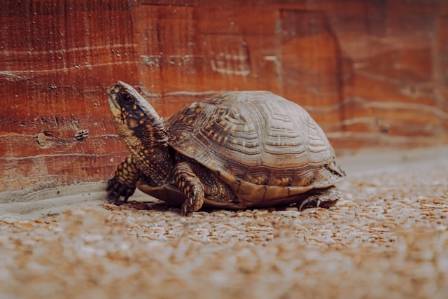
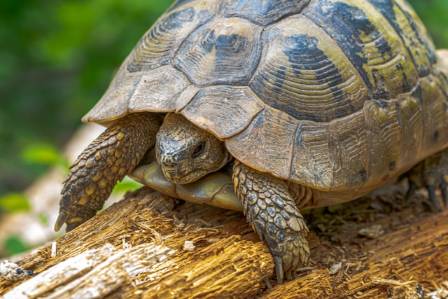
Turtles belong to the order Testudines, a group of reptiles distinguished by their unique skeletal structure: a bony or cartilaginous shell that forms a protective shield around their body. This shell is fused to their ribs and spine, a feature that sets them apart from all other vertebrates. The order is split into two suborders: Cryptodira, which includes most marine turtles, freshwater turtles, and tortoises, and can retract their heads directly into their shells; and Pleurodira, or side-necked turtles, which bend their necks sideways to tuck their heads under the shell edge. Marine turtles, such as the green sea turtle (Chelonia mydas) and leatherback sea turtle (Dermochelys coriacea), are adapted for life in the open ocean, with streamlined shells and paddle-like flippers for swimming. Freshwater turtles, like the red-eared slider (Trachemys scripta elegans), have flatter shells and webbed feet for navigating rivers and lakes, while tortoises—terrestrial cousins of turtles—have dome-shaped shells and sturdy, elephant-like legs for walking on land. Unlike other reptiles, many turtle species are ectothermic, relying on external heat sources to regulate their body temperature, though some large marine species can maintain slightly higher body temperatures through metabolic activity.
Iconic Physical Traits & Adaptive Evolution
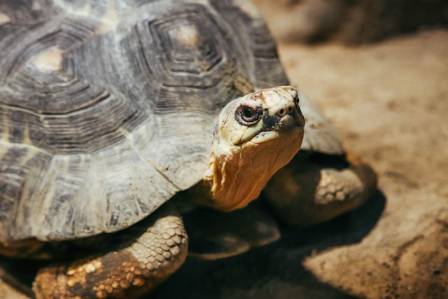
The turtle’s most defining feature is its shell, a marvel of evolutionary engineering that serves as both armor and home. Composed of two main parts—the carapace (upper shell) and plastron (lower shell)—the structure is made of bone covered by a layer of keratinous scutes (in most species) or leathery skin (in leatherback turtles). The shell’s shape varies dramatically by habitat: marine turtles have smooth, teardrop-shaped carapaces to reduce drag in water; freshwater turtles have flat, broad shells that help them hide in riverbed sediment; and tortoises have high, domed shells that protect them from predators on land. Beyond the shell, turtles have evolved a suite of specialized adaptations for survival. Marine turtles possess large, paddle-like flippers that propel them through the water at speeds of up to 20 miles per hour, while their salt glands allow them to excrete excess salt from seawater, enabling them to drink ocean water without dehydration. Freshwater turtles have webbed feet or claws for climbing and digging, and many can hold their breath for hours by slowing their metabolic rate—an adaptation that helps them survive in oxygen-poor water. Perhaps most impressive is their longevity: some tortoise species can live for over 150 years, with the oldest recorded individual—a Galápagos tortoise named Harriet—living to be 175 years old.
Habitat Range & Migratory Marvels
Turtles are an incredibly adaptable group, inhabiting a vast array of habitats across every continent except Antarctica. Marine turtles spend most of their lives in the world’s oceans, migrating thousands of miles between feeding grounds and nesting beaches. For example, the leatherback sea turtle holds the record for the longest migration of any reptile, traveling up to 10,000 miles round-trip from its nesting beaches in the Caribbean to feeding areas in the cold waters of the North Atlantic, where it preys on jellyfish. Freshwater turtles thrive in rivers, lakes, ponds, and wetlands, with some species able to tolerate brackish water in estuaries and mangrove forests. Tortoises, by contrast, are strictly terrestrial, inhabiting deserts, grasslands, and forests—from the arid Sahara Desert to the lush rainforests of the Amazon. Nesting is a critical and often perilous stage in a turtle’s life cycle: female marine turtles return to the exact beach where they were born to lay their eggs, digging deep nests in the sand with their hind flippers and burying clutches of 50–200 eggs. After an incubation period of 45–70 days, the hatchlings emerge and make a frantic dash to the ocean, facing threats from birds, crabs, and other predators along the way. Freshwater turtles and tortoises lay their eggs in soil or sand, with hatchlings often staying close to their nesting site until they mature.
Diet & Ecological Role as Keystone Species
Turtles occupy a wide range of ecological niches, with diets varying dramatically based on species and habitat. Marine turtles are primarily herbivorous or omnivorous: green sea turtles feed on seagrass and algae, playing a critical role in maintaining seagrass meadows—vital habitats for fish, crustaceans, and other marine life. Loggerhead sea turtles have powerful jaws that crush crustaceans and mollusks, while leatherback sea turtles specialize in eating jellyfish, helping to control jellyfish populations that can disrupt ocean food webs. Freshwater turtles are often omnivorous, consuming aquatic plants, insects, fish, amphibians, and even carrion, while tortoises are mostly herbivorous, feeding on grasses, leaves, and fruits. As keystone species, turtles have a disproportionate impact on their ecosystems relative to their population size. For example, sea turtles transport nutrients from the ocean to nesting beaches via their eggs, enriching coastal soil and supporting plant growth. Freshwater turtles help keep waterways clean by scavenging dead organisms, and their nesting activities aerate soil and promote plant germination. Tortoises, meanwhile, disperse seeds through their feces, helping to maintain plant diversity in terrestrial habitats. The decline of turtle populations can trigger cascading effects throughout ecosystems, making their conservation essential for global biodiversity.
Conservation Status & Pressing Threats
Despite their evolutionary resilience, turtles are one of the most endangered groups of reptiles on Earth, with over 60% of species listed as vulnerable, endangered, or critically endangered by the IUCN Red List. The primary threats facing turtles include habitat loss and fragmentation, overexploitation, climate change, and pollution. Coastal development—including the construction of hotels, roads, and ports—destroys the nesting beaches of marine turtles, while dam building and wetland drainage eliminate critical habitats for freshwater turtles. Overexploitation is a major issue: turtles are hunted for their meat, eggs, and shells, which are used in traditional medicine, jewelry, and decorative items. The illegal pet trade also poses a significant threat, with many species captured from the wild and sold globally. Climate change exacerbates these challenges: rising temperatures can skew the sex ratio of turtle hatchlings (since egg incubation temperature determines sex), leading to a shortage of males and threatening population viability. Sea level rise inundates nesting beaches, while ocean acidification harms the shell development of young turtles. Plastic pollution is another deadly threat: marine turtles often mistake plastic bags for jellyfish, ingesting the plastic and suffering from internal injuries or starvation.
Conservation Efforts & Hope for the Future
Thankfully, a growing global movement is working to protect turtles and their habitats, with governments, conservation organizations, and local communities joining forces to implement critical safeguards. Key conservation strategies include the establishment of protected areas—such as marine reserves and nesting beach sanctuaries—where turtles are shielded from human disturbance. Many countries have banned the hunting of endangered turtle species and the trade of turtle products, with strict enforcement measures to combat poaching. Conservation groups also run “turtle patrol” programs, where volunteers monitor nesting beaches, protect eggs from predators and poachers, and help hatchlings reach the ocean safely. Captive breeding and reintroduction programs have also proven successful for some species, such as the Kemp’s ridley sea turtle—the most endangered marine turtle—which has seen its population rebound thanks to collaborative conservation efforts. Additionally, public awareness campaigns aim to reduce plastic pollution and educate people about the importance of turtles to ecosystem health. While challenges remain, these efforts offer hope for the future of turtles, proving that with dedicated action, we can reverse the decline of these ancient and beloved creatures.
Conclusion: Guardians of a Prehistoric Legacy
Turtles are more than just fascinating reptiles—they are living relics of a prehistoric world, survivors of mass extinctions and champions of adaptation. From the giant leatherback sea turtle roaming the open ocean to the tiny bog turtle hiding in North American wetlands, every species plays a vital role in maintaining the balance of nature. As keystone species, their decline threatens the health of marine and terrestrial ecosystems alike, making their conservation a global imperative. The story of turtles is a story of resilience, but it is also a reminder of our responsibility to protect the planet’s most vulnerable creatures. By safeguarding their habitats, combating overexploitation, and addressing the threats of climate change and pollution, we can ensure that these ancient mariners continue to thrive for millions of years to come. Turtles have outlived dinosaurs—with our help, they can outlive us too.