विशेष लेख
Top 10 Highest Mountains in the World
The ten tallest mountains on Earth are all located in Asia, mainly within the Himalayan mountain system. A notable fact is that out of the fourteen peaks above 8,000 meters, eight are found in Nepal’s Himalayas. Below is a list of the world’s highest mountains, including their elevations and locations.
Scarlett Moore
लेखक
लेख परिचय
नीचे पूरा लेख पढ़ें।
अनुभाग
समाचार
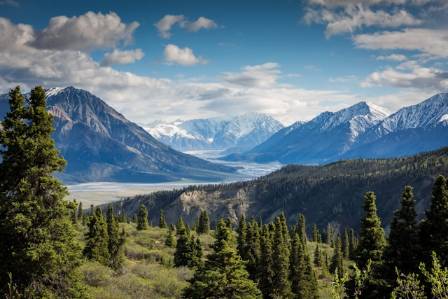
The ten tallest mountains on Earth are all located in Asia, mainly within the Himalayan mountain system. A notable fact is that out of the fourteen peaks above 8,000 meters, eight are found in Nepal’s Himalayas. Below is a list of the world’s highest mountains, including their elevations and locations.
1. Mount Everest (8,848.86m / 29,031.7ft), Nepal
Mount Everest is the highest point on Earth. It sits on the border between Nepal and China, rising to 8,848.86 meters above sea level. In Nepal it is known as Sagarmatha, while in Tibet it is called Chomolungma. Although it attracts climbers of all levels, it remains a major global mountaineering goal. The first successful ascent was completed in 1953 by Tenzing Norgay and Edmund Hillary via the South Col route.
2. K2 (8,611m / 28,251ft), Pakistan
K2 is the second-highest mountain in the world and lies in the Karakoram Range. It is the tallest peak in Pakistan and is widely considered one of the most difficult mountains to climb, earning the nickname “Savage Mountain.” Its first successful summit was achieved in 1954 by an Italian expedition led by Ardito Desio, with climbers Lino Lacedelli and Achille Compagnoni reaching the top via the Abruzzi Spur.
3. Kangchenjunga (8,586m / 28,169ft), Nepal
Kangchenjunga is the third-highest mountain on Earth, located on the border between Nepal and India. Its name means “Five Treasures of Snow,” referring to its five prominent peaks. It is the highest mountain in India and the easternmost among the world’s tallest peaks. The first ascent was completed in 1955 by Joe Brown and George Band.
4. Lhotse (8,516m / 27,940ft), Nepal
Lhotse is the fourth-highest mountain and is directly connected to Everest via the South Col. Its name means “South Peak” in Tibetan. Besides its main summit, it includes Lhotse Middle and Lhotse Shar. The mountain is known for its extremely steep South Face, one of the most challenging walls in high-altitude climbing. It was first climbed in 1956 by Fritz Luchsinger and Ernst Reiss.
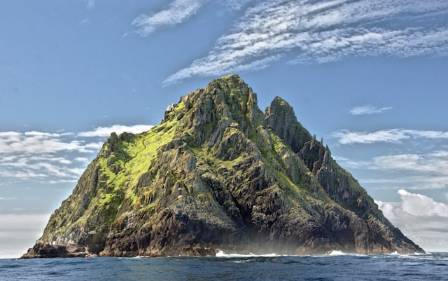
5. Makalu (8,481m / 27,825ft), Nepal
Makalu is the fifth-highest mountain in the world and is located southeast of Everest on the Nepal–China border. It is known for its isolated pyramid shape and steep ridges. The first successful ascent was made in 1954 by an American expedition led by William Siri. Common climbing routes include the Southeast Ridge and Northwest Ridge.
6. Cho Oyu (8,201m / 26,906ft), Nepal
Cho Oyu is the sixth-highest peak and lies on the Nepal–China border, about 20 km west of Everest. Its name means “Turquoise Goddess” in Tibetan. Compared to other 8,000-meter peaks, it is considered one of the more accessible climbs due to its relatively moderate routes. It was first summited in 1954 by Herbert Tichy, Joseph Jöchler, and Pasang Dawa Lama.
7. Dhaulagiri (8,167m / 26,795ft), Nepal
Dhaulagiri ranks seventh globally and is located in central Nepal. Its name comes from Sanskrit, meaning “White Mountain” or “Shining Mountain.” The main climbing route is the northeast ridge. It was first climbed in 1960 by an international team including Austrian, Swiss, and Nepali climbers.
8. Manaslu (8,163m / 26,763ft), Nepal
Manaslu is the eighth-highest mountain in the world and lies in west-central Nepal. Its name means “Mountain of the Spirit,” derived from the Sanskrit word “Manasa.” It is often chosen as an introductory 8,000-meter peak for experienced climbers. The first ascent was completed in 1956 by a Japanese expedition team.
9. Nanga Parbat (8,126m / 26,660ft), Pakistan
Nanga Parbat is the ninth-highest mountain and is located in Pakistan’s Gilgit-Baltistan region. It was once known as the “Killer Mountain” due to its extreme difficulty and high fatality rate. Despite its challenges, it was first successfully climbed in 1953 by Austrian mountaineer Hermann Buhl. The peak rises dramatically near the Indus River.
10. Annapurna I (8,091m / 26,545ft), Nepal
Annapurna I is the tenth-highest mountain and part of the larger Annapurna massif. This region includes several major peaks and is known for extremely dangerous climbing conditions, with one of the highest fatality rates among 8,000-meter mountains. The first ascent was achieved in 1950 by Maurice Herzog and Louis Lachenal.
यह भी पढ़ें
इस गर्मी में समुद्र तट पर खेलने के लिए 3 खेल
रवि
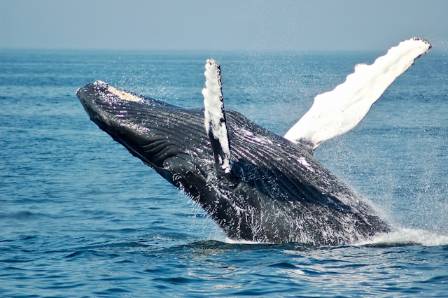
The Magnificent Biological Legacy of Deep Ocean Whale Falls
Nathan Ellis

ऑटोमोटिव इतिहास को परिभाषित करने वाली शीर्ष 5 विंटेज कारें"
दिव्या

दुनिया के सबसे खूबसूरत लाइटहाउस
उदिता

The life cycle of a sea arch
Eliza Harrington

My Top 10 Favorite Bakeries Around the World
Declan Ashford