विशेष लेख
The Symbolism and Beauty of Rainbows in Art Through the Ages
Rainbows have long been a source of fascination and inspiration in art, symbolizing hope, divinity, and the bridge between the earthly and the divine. Artists across different periods and cultures have incorporated this vibrant natural phenomenon into their works, imbuing them with rich meaning and visual splendor. From religious iconography to modern interpretations, the rainbow remains a powerful artistic motif.
Emily Foster
लेखक
लेख परिचय
नीचे पूरा लेख पढ़ें।
अनुभाग
समाचार
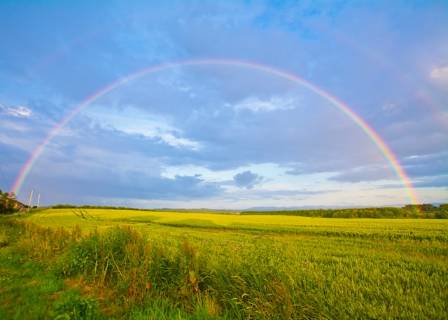
Rainbows have long been a source of fascination and inspiration in art, symbolizing hope, divinity, and the bridge between the earthly and the divine. Artists across different periods and cultures have incorporated this vibrant natural phenomenon into their works, imbuing them with rich meaning and visual splendor. From religious iconography to modern interpretations, the rainbow remains a powerful artistic motif.
Rainbows in Religious Art
In religious art, the rainbow often represents divine promise and celestial connection. One of the most famous examples is in Renaissance paintings depicting Noah’s Ark, where the rainbow symbolizes God’s covenant with humanity after the Great Flood. Artists like Michelangelo and later Romantic painters used the rainbow to evoke a sense of spiritual transcendence, placing it in scenes of biblical significance to emphasize hope and renewal.
Rainbows in Mythology and Folklore
Beyond Christianity, rainbows appear in various mythologies as bridges between worlds or as symbols of deities. In Norse mythology, the Bifröst is a rainbow bridge linking Midgard (the human realm) to Asgard (the home of the gods). Similarly, in Greek mythology, Iris, the personification of the rainbow, serves as a messenger between gods and mortals. These mythological interpretations have inspired artists to depict rainbows as pathways of divine communication and mystical journeys.
Rainbows in Landscape Painting
During the Romantic era, artists like J.M.W. Turner and Caspar David Friedrich used rainbows to enhance the emotional and sublime qualities of their landscapes. The fleeting, ephemeral nature of rainbows made them a perfect symbol for the transient beauty of nature. Turner, in particular, masterfully captured the interplay of light and color in his stormy seascapes, where rainbows often emerge as a sign of hope amid turmoil.
Rainbows in Modern and Contemporary Art

In modern art, rainbows have taken on new meanings, often associated with diversity, inclusivity, and social movements. The LGBTQ+ Pride flag, designed by Gilbert Baker in 1978, transformed the rainbow into a global symbol of equality and acceptance. Contemporary artists like Peter Coffin and Olafur Eliasson have used rainbows in installations and conceptual works to explore themes of perception, light, and human connection.
Rainbows as a Personal and Universal Symbol

Throughout history, the rainbow has served as both a personal and universal emblem, reflecting humanity’s enduring fascination with its beauty and symbolism. Whether as a divine sign, a natural wonder, or a cultural icon, the rainbow continues to inspire artists and viewers alike, reminding us of the enduring power of color, light, and meaning in art.
यह भी पढ़ें
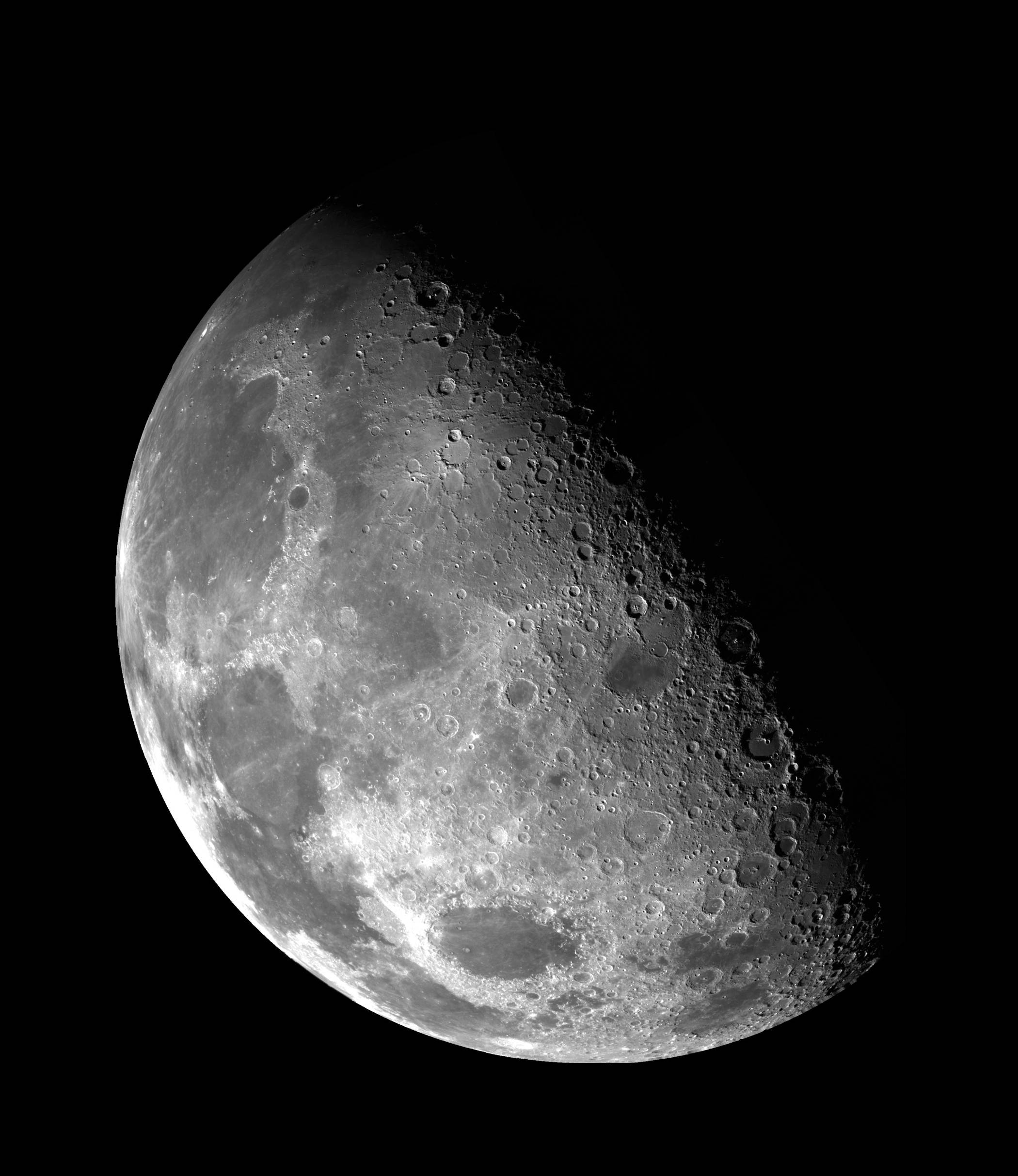
चाँद पर हमारे पहले पदचिह्न बनाए हुए 47 साल हो गए हैं — यहाँ वह बातें हैं जो आप पृथ्वी के धूल भरे साथी के बारे में नहीं जानते होंगे
सिद्धार्थ
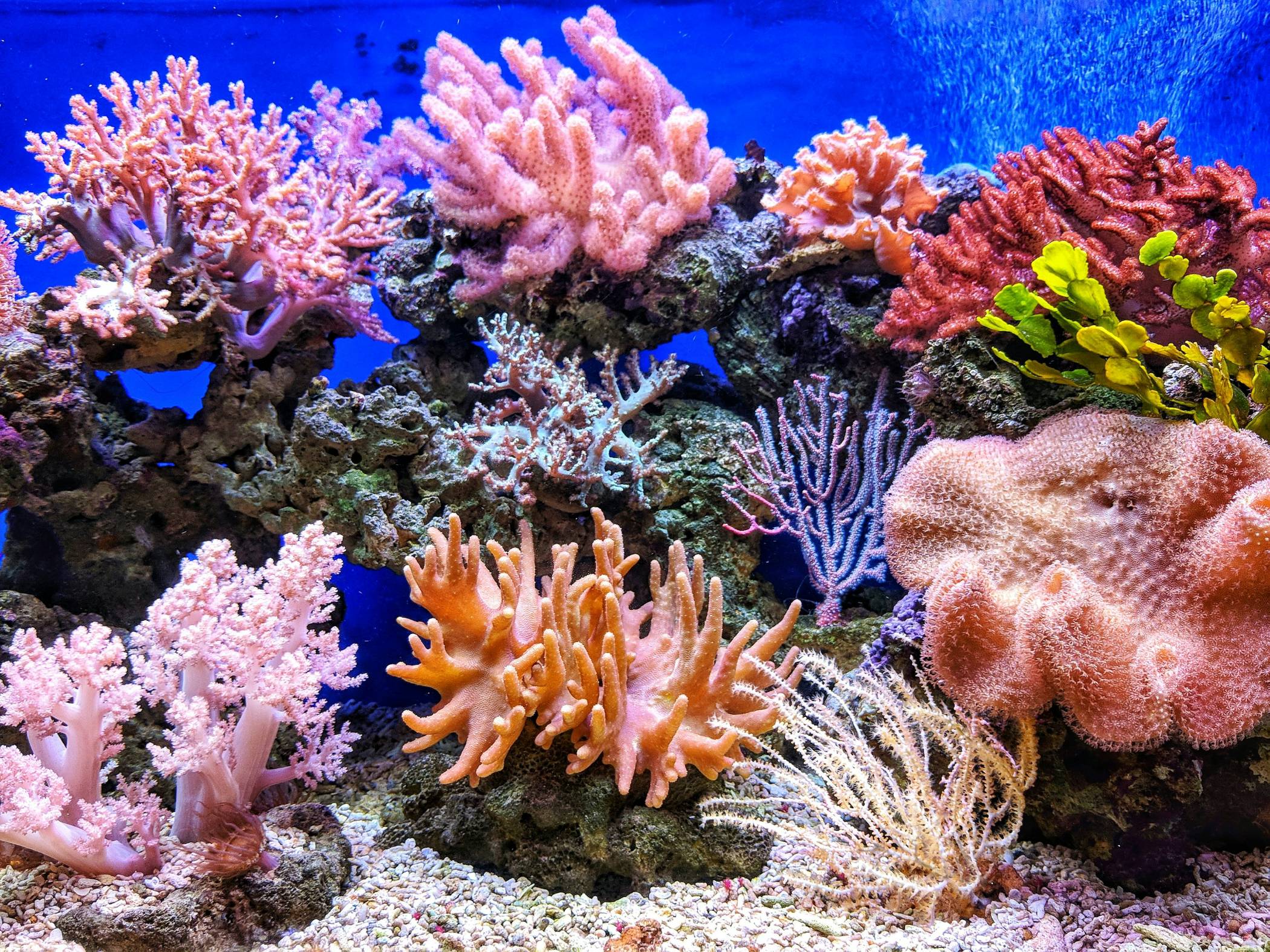
कोरल रीफ़
आनंद

जेम्स मैकनिकोलस: द बॉक्सर समीक्षा - एक धमाकेदार कॉमेडी
जतिन

सपनों की उड़ान
एम्मा कार्टर

दुनिया भर में मुख्य भोजन
अरुण
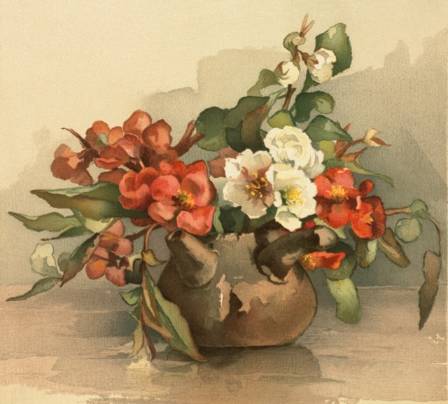
Chronicles of the Vessel: Exploring the Evolution of Vases
Victoria Adams