← मुखपृष्ठ3 मिनट का पाठ
विशेष लेख
3 Effortless Upgrades for a Child’s Bedroom That Lasts
Children’s rooms have evolved from simple nurseries into full-fledged retreats, and interest in stylish, functional designs is soaring. But how do you create a space that grows with your child, balances your budget, and survives their changing tastes? Design expert Sil-Mei Li shares three simple strategies to transform your little one’s room into a timeless haven.
A
Ada Harrison
लेखक
लेख परिचय
नीचे पूरा लेख पढ़ें।
अनुभाग
समाचार
Children’s rooms have evolved from simple nurseries into full-fledged retreats, and interest in stylish, functional designs is soaring. But how do you create a space that grows with your child, balances your budget, and survives their changing tastes? Design expert Sil-Mei Li shares three simple strategies to transform your little one’s room into a timeless haven.
1. Prep with Purpose: Build a Flexible Foundation
The secret to a lasting design starts with the planning phase. Involve your child in creating a mood board—it’s a fun way to collaborate and ensures they feel invested in the result.
-
Embrace Neutrals: Start with a neutral b
-
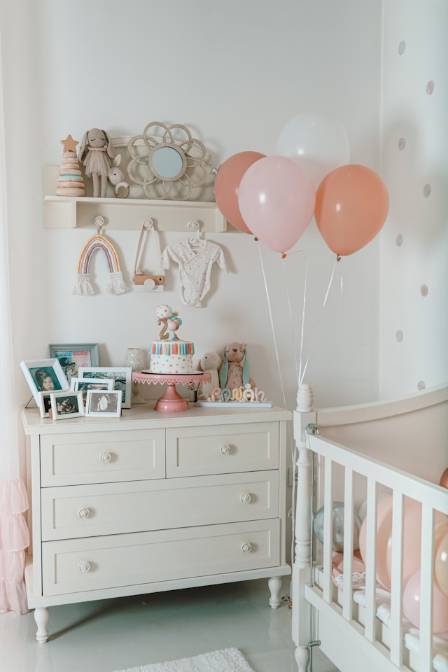
ase for walls and large furniture. This creates a serene backdrop that won’t clash with evolving preferences. You can introduce personality through easily changeable accents like skirting boards, shelves, or an upcycled dresser.
-
Accessorize Smartly: If your child loves a specific character or trend, incorporate it through bedding, cushions, or wall stickers rather than permanent wallpaper. These items are easy to swap out as interests change.
-
Layer Textiles: Rugs, throws, and cushions are the most budget-friendly way to update a room. They add warmth, texture, and color, and kids love being part of the selection process.
Expert Insight: "Bright details really lift a child’s bedroom, while glow-in-the-dark designs on bed linen help with night-time transitions," says Sil-Mei Li.
2. Zone for Function: Maximize Every Square Foot
Today’s kids’ rooms must serve multiple purposes—sleeping, studying, playing, and relaxing. Effective zoning ensures the room remains organized and inspiring, regardless of its size.
-
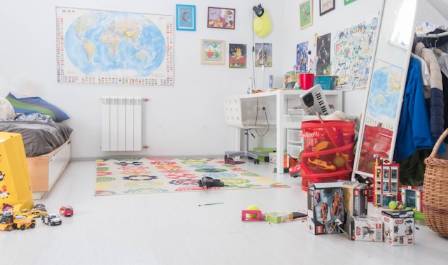
Define Activity Areas: Allocate specific zones for different tasks. A cozy reading corner with a beanbag, a sturdy desk for homework or crafts, a soft rug for floor play, and a designated area for dress-up or make-believe.
-
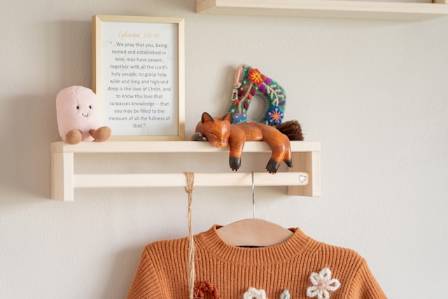
Smart Storage: Opt for open shelving with accessible tubs and baskets. This encourages children to tidy up independently and keeps clutter at bay.
-
Future-Proofing: Invest in quality, versatile pieces that will serve them from toddlerhood through their teen years. A well-planned room reduces the need for costly overhauls later.
Expert Insight: "Adding a beanbag chair creates an instant, cozy bedtime reading corner that kids adore," notes Li.
3. Collaborate Creatively: Negotiate the Final Look
While it’s important to guide the design, giving your child some agency fosters their creativity and sense of ownership.
-
Set Boundaries: Decide which elements are non-negotiable (like the wall color or major furniture) and where they have free rein (like bedding patterns or wall art).
-
Teach Compromise: Use it as an opportunity to practice negotiation. Explain why certain choices (like a neutral sofa) are practical, while letting them choose the vibrant cushions.
-
Celebrate Together: Aim to create a "magical mini haven" that reflects both your practical needs and your child’s imagination. The result should be a space everyone is proud of.
By focusing on a flexible foundation, functional zoning, and collaborative decision-making, you can create a children’s room that is not only beautiful today but remains a cherished, stress-free space for years to come.