← मुखपृष्ठ7 मिनट का पाठ
विशेष लेख
Mastering Snowboarding Techniques: From Foundations to Freestyle Excellence
Snowboarding is far more than a winter pastime—it’s a dynamic fusion of athleticism, precision, and creative expression that challenges both body and mind. Whether you’re lacing up your boots for the first time, steeper terrain, or aiming to nail gravity-defying tricks in the terrain park, progress hinges on mastering core techniques with patience and purpose. This comprehensive guide breaks down the journey from beginner basics to advanced freestyle moves, equipping you with the knowledge, skills, and confidence to ride with control, style, and safety.
M
Michael
लेखक
लेख परिचय
नीचे पूरा लेख पढ़ें।
अनुभाग
समाचार
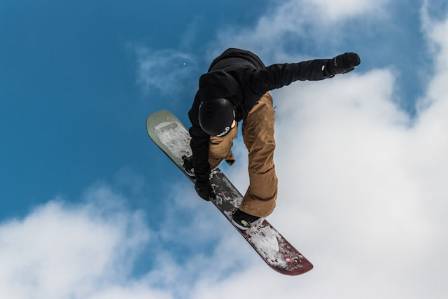
Snowboarding is far more than a winter pastime—it’s a dynamic fusion of athleticism, precision, and creative expression that challenges both body and mind. Whether you’re lacing up your boots for the first time, steeper terrain, or aiming to nail gravity-defying tricks in the terrain park, progress hinges on mastering core techniques with patience and purpose. This comprehensive guide breaks down the journey from beginner basics to advanced freestyle moves, equipping you with the knowledge, skills, and confidence to ride with control, style, and safety.
1.Building a Rock-Solid Foundation: The Essential Basics
Before attempting any fancy maneuvers, laying a strong foundational skill set is non-negotiable—these skills are the building blocks that will dictate your balance, control, and long-term progress. Start by determining your natural stance: regular (left foot forward) or goofy (right foot forward). A simple test—have someone push you gently from behind; the foot you step forward with to stabilize is your lead foot. Once your stance is locked in, focus on proper posture: keep your knees bent (like sitting in a chair), back straight but relaxed, and weight centered over the board’s bindings to maintain stability on uneven snow. Next, master heel-side and toe-side turns, the most fundamental directional controls: for heel-side turns, shift your weight to your heels while leaning slightly backward, using the board’s heel edge to carve through snow; for toe-side turns, press down on your toes and lean forward, engaging the toe edge to change direction. Stopping safely is equally critical—practice the “heel slide” (shifting weight to heels to slow down) and “toe slide” (pressing toes) on gentle, groomed slopes until you can come to a smooth, controlled stop without losing balance. Finally, learn to navigate flat areas by “skating”: keep one foot strapped into the binding, push off with the free foot like you’re skateboarding, and glide—this skill is essential for getting to lifts and moving between runs. Mastering these basics isn’t glamorous, but it’s the key to feeling confident and in control as you progress.
2.Elevating Your Game: Intermediate Skills for Versatility
Once the basics feel second nature, it’s time to refine your technique and tackle more challenging terrain, bridging the gap between beginner and advanced riding. Carving is a critical intermediate skill that transforms clunky turns into smooth, fluid arcs—practice leaning deeper into your edges, shifting weight from heel to toe with precision, and maintaining a consistent speed to create clean, curved paths down the slope. Carving not only looks stylish but also gives you greater control on steeper terrain by using the board’s edges to manage momentum. Next, embrace switch riding: riding with your non-dominant foot forward. Start by practicing switch on gentle slopes, focusing on the same posture and turn mechanics as your regular stance—this skill is essential for advanced tricks and adds versatility to your riding. Flatland tricks are another fun way to build balance and control: try buttering, which involves pressing down on the board’s nose (nose butter) or tail (tail butter) while spinning slightly, keeping your weight centered to avoid catching an edge. Moguls (bumpy terrain) are a common intermediate challenge—learn to “absorb” bumps by bending your knees and keeping your weight light, using quick, small turns to navigate the terrain without losing speed or balance. Finally, dip your toes into small jumps: find gentle rollers or mini jumps in the terrain park, focus on bending your knees as you approach, popping off the lip of the jump by extending your legs, and keeping your body aligned (chest up, arms relaxed) for a smooth landing. These intermediate skills will expand your comfort zone and prepare you for the technical challenges of advanced riding.
3.Conquering Advanced Techniques: Freestyle and Technical Mastery
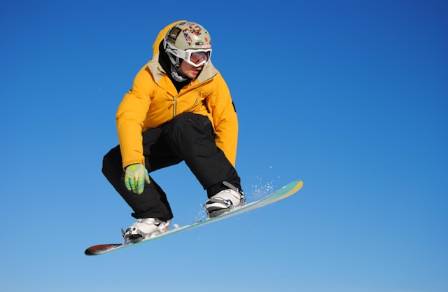
For experienced riders ready to push their limits, advanced techniques blend precision, creativity, and courage, allowing you to express yourself on the mountain in bold ways. Advanced carving takes the skill to the next level—try Euro carves, where you lean so deeply into turns that your shoulder nearly touches the snow, maintaining a low center of gravity to maximize edge hold and speed. Spin tricks are a crowd-pleaser: start with 180-degree spins on small jumps, focusing on timing (initiate the spin as you pop off the jump) and body rotation (use your arms to guide the spin, keeping your core tight). Progress to 360s once 180s feel consistent, ensuring you land with your weight centered over the board. Rail and box tricks are staples of freestyle riding: approach rails or boxes at a 15-30 degree angle, keep your knees bent, and shift your weight slightly forward to maintain balance as you slide. Start with simple board slides (sliding on the base of the board) before moving to more complex grinds like 50-50s (sliding on both edges) or boardslides with spins. Freestyle tricks in the terrain park require practice and confidence: master the Method Grab (reaching down to grab the board’s edge mid-air) or the Backflip (tucking your knees and rotating backward) by starting on small jumps and gradually increasing height. Powder riding is another advanced skill—deep snow requires leaning back slightly to keep the board’s nose from sinking (“nose diving”), using wide, gentle turns to maintain momentum and float through the snow. Remember, advanced tricks take time—don’t rush progression, and always practice new moves in a controlled environment with proper safety gear.
4.Prioritizing Safety: Riding Smart While Pushing Limits
Snowboarding is an exhilarating sport, but it comes with inherent risks—prioritizing safety ensures you can enjoy the mountain for years to come. Protective gear is non-negotiable: always wear a certified helmet to protect against head injuries, wrist guards (a common injury site for beginners and trick riders), padded shorts or a impact vest to cushion falls, and goggles to shield your eyes from snow, wind, and UV rays. Before hitting the slopes, warm up thoroughly with dynamic stretches (leg swings, arm circles, squats) to loosen muscles and reduce the risk of strains or pulls—cold muscles are far more prone to injury. Know your limits: never attempt a trick or terrain that’s beyond your skill level, and don’t let peer pressure push you into risky moves. Scout terrain park features or challenging runs beforehand: check for ice, rocks, or uneven landing areas, and observe other riders to understand the best approach. Ride with a buddy whenever possible—having someone nearby means help is available in case of an accident, and sharing the experience makes it more fun. Finally, stay hydrated and fuel your body with snacks—snowboarding is physically demanding, and fatigue can lead to poor decision-making and increased risk of injury. By combining courage with caution, you can push your boundaries safely.
5.Tips for Continuous Improvement: From Good to Great
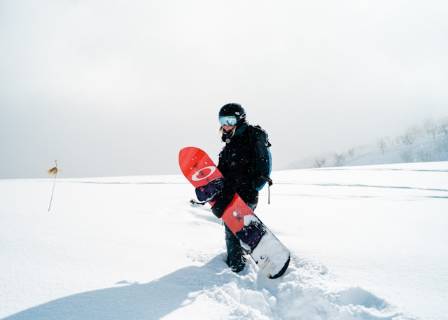
Becoming a skilled snowboarder is a lifelong journey—consistency, curiosity, and a willingness to learn are the keys to ongoing progress. Take professional lessons, even if you’re an experienced rider: a certified instructor can spot bad habits (like leaning too far back or not using edges properly) that you might miss, and provide personalized feedback to refine your technique. Record your rides with a action camera or ask a friend to film you—watching footage allows you to analyze your posture, turns, and tricks, identifying areas for improvement. Condition off the slopes: strengthen your core (planks, Russian twists) and legs (squats, lunges, calf raises) to build the stability and power needed for riding, and practice yoga or balance exercises (like standing on one leg) to improve flexibility and body awareness. Study professional riders: watch videos of athletes like Shaun White or Chloe Kim to observe their technique, timing, and style—you’ll gain inspiration and pick up tips for your own riding. Stay consistent: even short, frequent sessions (1-2 hours a week) are more effective than occasional long days, as muscle memory and skill retention improve with regular practice. Finally, embrace failure—falling is part of the learning process, and every wipeout teaches you something about balance, control, or timing. With a growth mindset and dedication, you’ll continue to elevate your skills and discover new joys on the mountain.
Snowboarding is a sport that rewards patience, practice, and passion. Whether you’re mastering your first turn, carving through steep terrain, or landing a complex trick, the journey is as fulfilling as the destination. By building a strong foundation, progressing gradually, prioritizing safety, and committing to continuous improvement, you’ll develop the skills and confidence to ride with style and control, turning every run into a work of art. So grab your board, hit the slopes, and embrace the thrill of mastering snowboarding—one technique at a time.
यह भी पढ़ें
hi
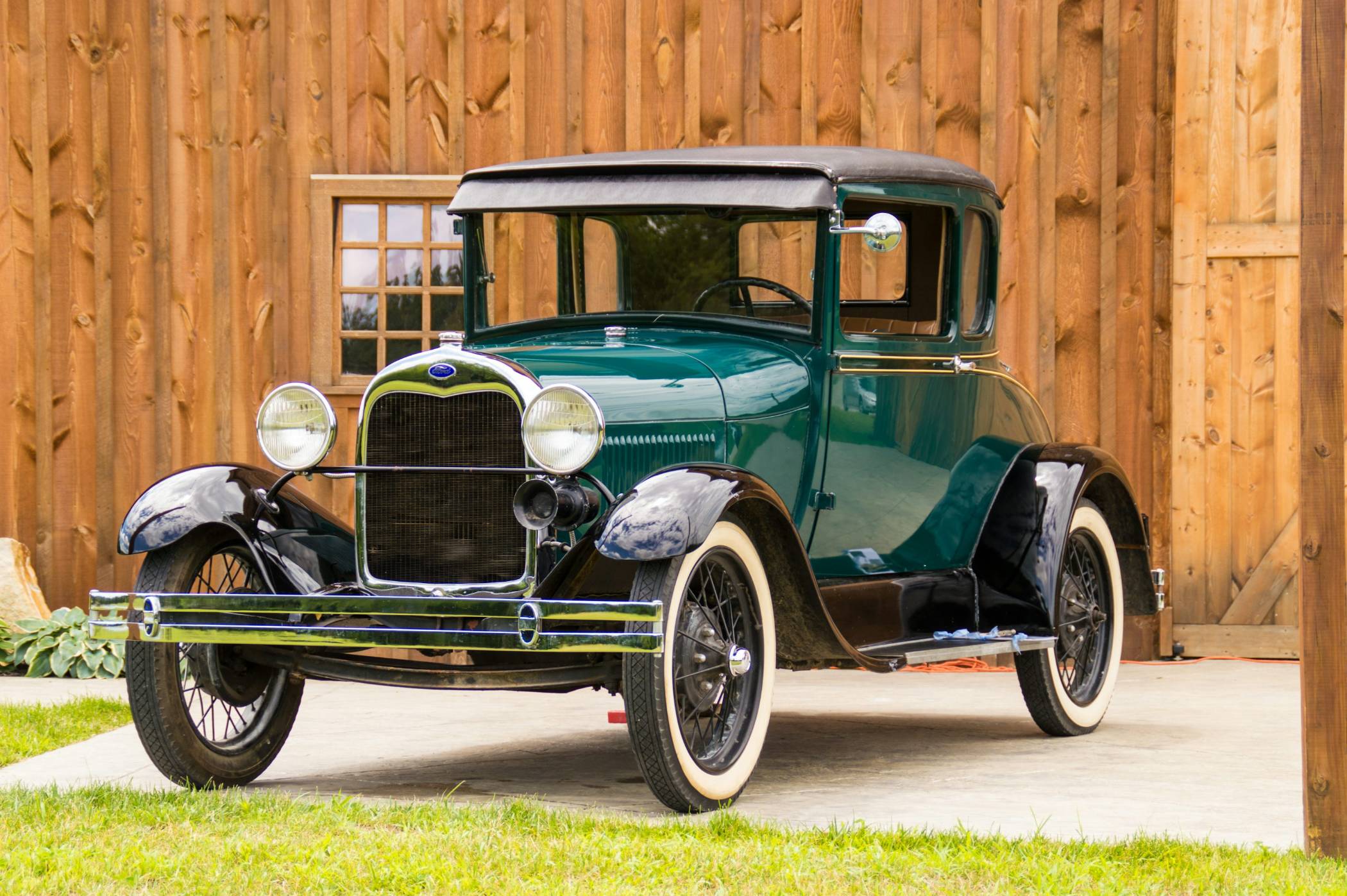
ऑटोमोटिव इतिहास को परिभाषित करने वाली शीर्ष 5 विंटेज कारें"
दिव्या
hi
अपनी व्यक्तिगत शैली के लिए आदर्श ब्रेसलेट खोजें
भावना कोचर

hi
सूर्यास्त देखने के लिए सबसे अच्छी जगहें
मार्था नाइट
hi
चाँद पर हमारे पहले पदचिह्न बनाए हुए 47 साल हो गए हैं — यहाँ वह बातें हैं जो आप पृथ्वी के धूल भरे साथी के बारे में नहीं जानते होंगे
सिद्धार्थ
hi
विनिर्माण क्षेत्र में रोबोटिक आर्म्स के लिए एक व्यापक मार्गदर्शिका
नंदलाल गौतम

en
Ten Remarkable Women Transforming the World
Isabella Mae