← मुखपृष्ठ4 मिनट का पाठ
विशेष लेख
Lynx: The Elusive Wildcat of the North
A powerful feline hunter is making a quiet comeback across parts of Europe. Weighing up to 30 kilograms, this elusive cat stalks its prey silently before leaping into action, delivering a fatal bite to the neck.
S
Samuel Dean
लेखक
लेख परिचय
नीचे पूरा लेख पढ़ें।
अनुभाग
समाचार
Meet the Lynx
A powerful feline hunter is making a quiet comeback across parts of Europe. Weighing up to 30 kilograms, this elusive cat stalks its prey silently before leaping into action, delivering a fatal bite to the neck.
Lynxes are among the most rarely seen wild cats, inhabiting the rugged terrains of Europe, Asia, and North America. These remarkable predators are masters of stealth, perfectly suited to remote forests, tundra, and rocky regions.
Essential Lynx Facts
-
Habitat: Forested mountains, tundra, rocky areas
-
Regions: Europe, Asia, North America
-
Life Expectancy: 10 to 20 years
-
Size: Up to 130 cm in length and 70 cm in height
-
Weight: As much as 30 kg depending on the species
-
Fur: Spotted in warm months, dense and silvery during winter
-
Diet: Rabbits, deer, birds, foxes, hares, and occasionally larger prey like reindeer
-
Predators: Humans, wolves, coyotes
-
Speed: Up to 48 km/h (30 mph)
-
Species Count: 4
-
Conservation Status: Varies—some stable, others endangered
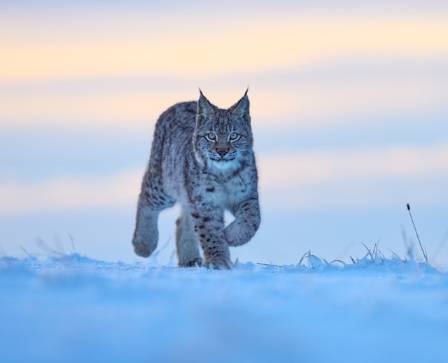
Historically widespread throughout Europe and the Rockies, lynxes faced severe decline due to extensive hunting for their pelts. Protective regulations in recent years have led to population recoveries in some regions.
The Four Lynx Species
-
Eurasian Lynx: The largest, found across Europe and Siberia
-
Canadian Lynx: Native to boreal forests of North America
-
Iberian Lynx: Endemic to the Iberian Peninsula, still endangered
-
Bobcat: The smallest, common in North America from Canada to Mexico
Lifestyle and Behavior
Lynxes are primarily solitary and nocturnal, often preferring high-altitude woods. They rest in secluded dens carved into rocky crevices or beneath old trees. Mating takes place in late winter, and like house cats, they mark territory with scent.
Their menu is varied—deer, hares, birds, foxes, amphibians, and even insects fall prey. While three of the species enjoy a relatively stable population status, the Iberian lynx remains vulnerable due to loss of prey and habitat degradation.
Fascinating Lynx Insights
Many Kittens Don’t Survive the First Year
Though females give birth in well-protected dens, nearly half of the kittens perish within the first twelve months, making population recovery a challenge.
A Model for Wildlife Reintroduction
Eurasian lynxes were once nearly wiped out in parts of Europe. While their numbers have since climbed to around 10,000 thanks to conservation work, successful reintroductions have only recently been properly monitored and studied.
Roads Are a Hidden Threat
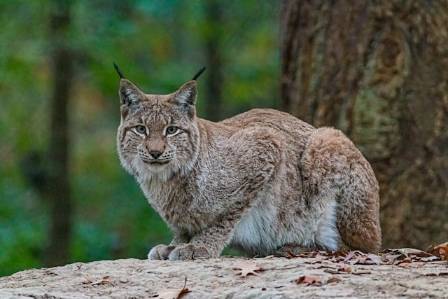
Highways and fragmented landscapes isolate lynx populations, making it harder for them to find mates and dispersing young. Vehicle collisions are a leading cause of death for reintroduced individuals.
Their Presence Can Transform Ecosystems
As apex predators, lynxes influence prey behavior, pushing grazing animals away from vulnerable areas. This helps forests regenerate, stabilizes riverbanks, and supports a wider range of wildlife over time.
Adapted for Snow
Their large, wide paws act like natural snowshoes, spreading their weight and letting them move easily through deep snow in winter.
Excellent Hearing
Tufts on their ears might enhance hearing, especially in snowy environments. Whether or not this is scientifically proven, lynxes have a strong sense of hearing, vital for locating hidden prey.
Agile and Powerful
Lynxes can leap vertically more than 2 meters and are capable of subduing animals larger than themselves with swift, muscular pounces.
Vision Isn’t Exceptional, but Their Eyes Are Bright
Despite rumors, lynxes don’t see significantly better than domestic cats. However, they do have reflective eyes, helping them hunt in dim light. The name "lynx" might even come from a word meaning "bright."
Seasonal Fur Shifts
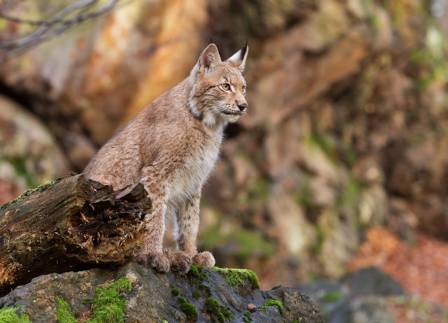
Their coat adapts to climate. Northern lynxes grow thick, pale fur for winter, while southern types like the bobcat retain shorter, darker coats year-round.
That Signature Tail
Lynxes are instantly recognizable by their short, stubby tails. Unlike other cats that use long tails for balance, lynxes manage fine without them—likely due to an ancient mutation.
Iberian Lynx on the Road to Recovery
Once considered the most endangered wild cat on Earth, the Iberian lynx’s numbers have been steadily improving. From just 100 individuals in 2004, their population has risen to over 300 thanks to intensive conservation efforts.
Lynxes are more than just majestic hunters—they are vital to maintaining balanced and healthy ecosystems. As conservation continues, the hope is that these stealthy survivors will once again roam more freely across their historic ranges.
यह भी पढ़ें

hi
एंथुरियम के 6 अद्भुत लाभ जिनके बारे में आपको पता होना चाहिए
अर्जुन

hi
अब तक का सर्वश्रेष्ठ रॉक क्लाइंबर कौन है?
करण

hi
टेबल टेनिस खेलने के शीर्ष 14 लाभ (आपको फिङ-फुङ क्यों खेलना चाहिए?)
मीरा

en
Essential Facts About the Moon
Vincent Langford

hi
पेशेवर महिलाओं के सूट का रणनीतिक चयन
रामचरण मेहता

hi
मुआय थाई बनाम ब्राज़ीलियन जिउ-जित्सु
आशा