विशेष लेख
Kiyomizu-dera: Kyoto’s Cliffside Temple and Sacred Spring
On July 6, 2021, I marked my 50th birthday by visiting Kiyomizu-dera in Kyoto, a temple I’ve always been drawn to. Part of its appeal is how it brings together two things I love most: mountain scenery and waterfalls.
Logan Price
लेखक
लेख परिचय
नीचे पूरा लेख पढ़ें।
अनुभाग
समाचार
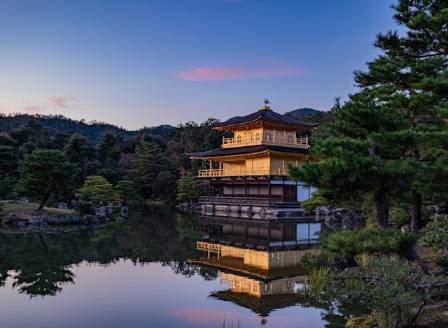
On July 6, 2021, I marked my 50th birthday by visiting Kiyomizu-dera in Kyoto, a temple I’ve always been drawn to. Part of its appeal is how it brings together two things I love most: mountain scenery and waterfalls.
At that time, Japan was still closed to international tourism, and the difference was immediately noticeable. In normal years, Kiyomizu-dera is one of Kyoto’s busiest and most visited landmarks, while also functioning as an active Buddhist temple. Crowds of both tourists and worshippers usually fill the grounds, which doesn’t reduce its beauty but does make photography challenging. I had hoped for fewer people, but I didn’t expect the temple to feel so quiet and empty.
Location and History of Kiyomizu-dera
Kiyomizu-dera is located on the slopes of Mount Otowa in Kyoto’s eastern Higashiyama district. It was originally established in 778 in dedication to Kannon, the Buddhist figure of compassion. While most of the existing structures date back to 1633, the Nio-mon gate (guardian king entrance) survives from the early 1500s. The vivid colors seen today are the result of continuous restoration over centuries.
Layout and Main Buildings
Aside from the Nio-mon gate, the main temple complex is arranged along an east–west line. At one end is the Sai-mon (West Gate), while at the other is the Amida Hall. Behind these lie other key structures, including the famous main hall and its wooden “floating stage.” The arrangement becomes especially clear from viewpoints within the temple grounds.
The Blue Dragon Guardian
One of the temple’s spiritual symbols is the Blue Dragon, seen as a manifestation of Kannon and a protector of Kyoto. Rituals honoring this dragon take place in March, April, and September each year.
Kiyomizu-dera belongs to the Northern Hosso sect, which originated in Nara. This school of Buddhism emphasizes Kannon worship and teaches that Buddhist practice should actively benefit society through compassion and support for those in need.
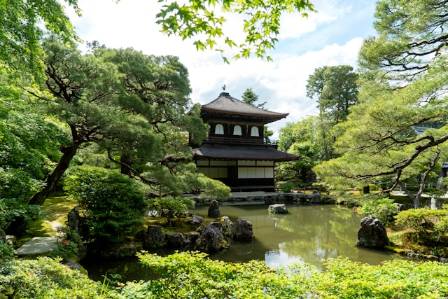
Views Over Kyoto
From the Sai-mon and other vantage points, Kiyomizu-dera offers wide views across Kyoto. The Kyoto Tower is visible in the distance, rising near Kyoto Station. The city sits in a basin surrounded by mountains, which also explains its hot, humid summers. The temple’s hillside position on the eastern edge provides a clear, elevated perspective across the entire urban landscape.
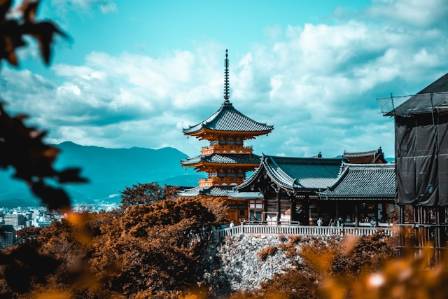
The Three-Story Pagoda
The temple’s three-tiered pagoda was rebuilt in 1633 and stands about 31 meters tall, making it one of the tallest of its kind in Japan. Despite multiple past visits, this was the first time I was able to photograph it clearly without crowds blocking the view.
Mizuko Kannon Hall
Within the grounds is the Mizuko Kannon Hall, dedicated to Kannon as a protector of unborn or very young children who have passed away. In Japanese belief, “mizuko” refers to miscarried, stillborn, or very young infants. Unlike most shrines of this kind that honor Jizō, Kiyomizu-dera’s version centers on Kannon instead.
Koyasu Pagoda and Childbirth Blessings
Across the hillside stands the Koyasu Pagoda, dedicated to Kannon in her role as a protector of safe childbirth. Tradition holds that pregnant visitors who make the journey here will have an easier delivery and a healthy child.
Otowa Waterfall and the Floating Stage
Beneath the famous wooden stage is the Otowa Waterfall, whose waters are believed to grant longevity and good health to those who drink from them. The streams are divided into separate channels, each symbolizing different blessings.
The main hall’s “floating stage,” built entirely from Japanese cypress, extends outward over the valley. Supported by tall wooden pillars, it offers sweeping views of Kyoto and has long been used for ceremonies honoring Kannon. The Japanese phrase “to leap from Kiyomizu’s stage” is commonly used to mean making a bold decision—though actual jumping is, of course, not allowed.
Final Reflection
From the waterfall to the pagoda and hillside paths, Kiyomizu-dera feels like a place where nature and faith blend into a single landscape. Walking through its quieter-than-usual grounds made the experience even more memorable, and it remains one of Kyoto’s most remarkable temples.
यह भी पढ़ें
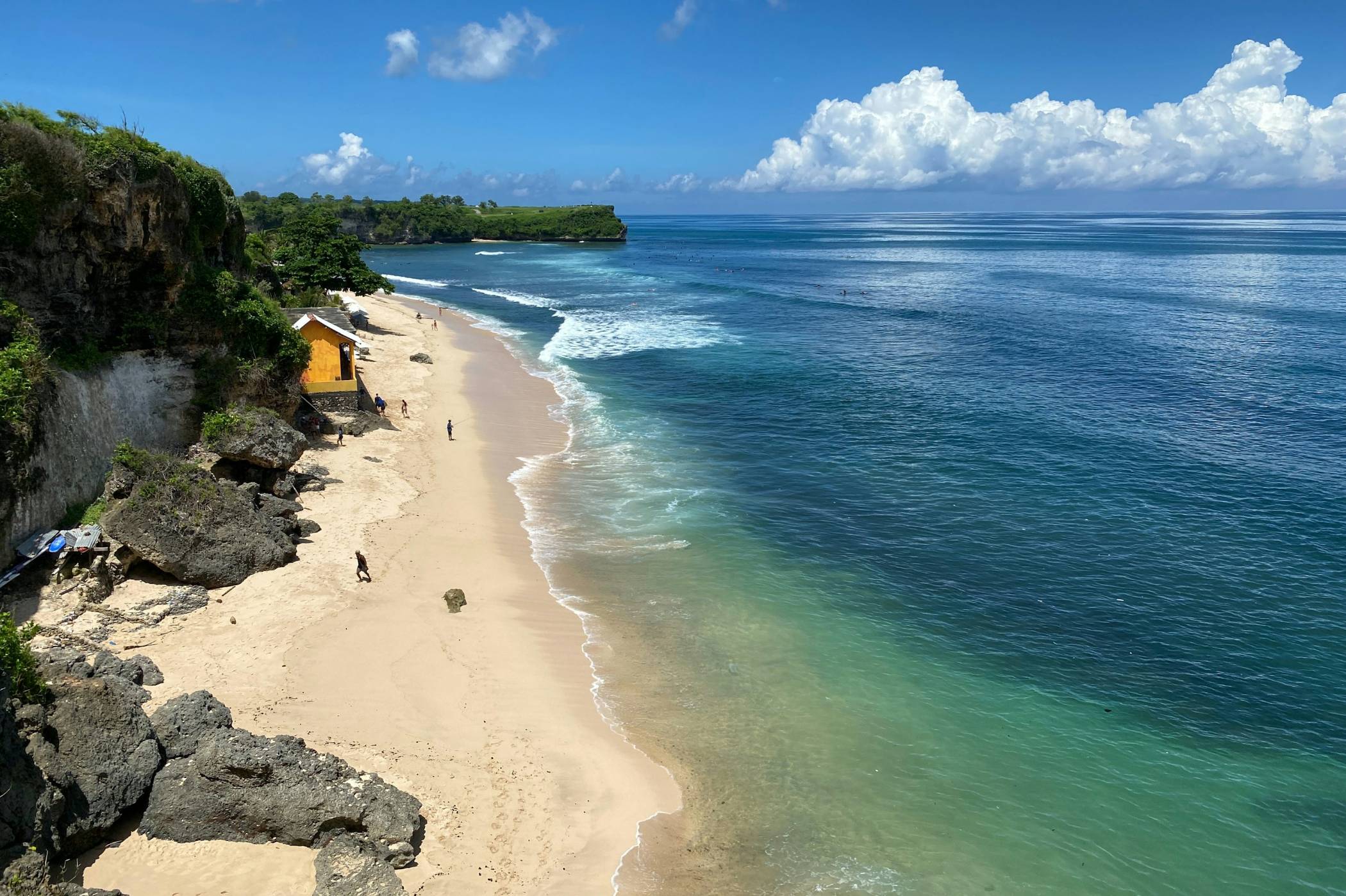
2023 के लिए दुनिया में 10 सर्वश्रेष्ठ सर्फ स्पॉट
रेबेका पार्सन्स
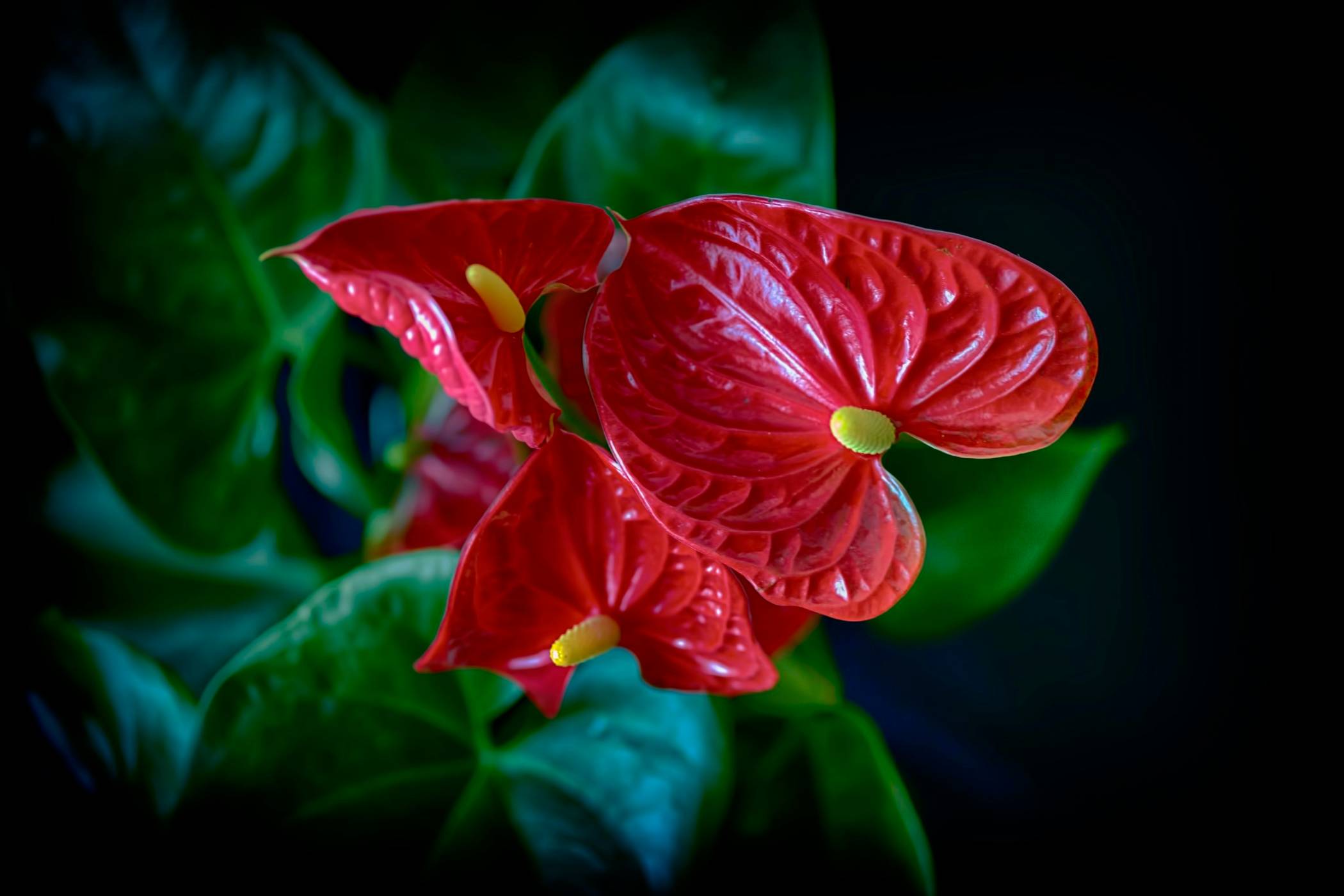
एंथुरियम के 6 अद्भुत लाभ जिनके बारे में आपको पता होना चाहिए
अर्जुन

8 Must-Know Tips for Packing the Perfect Picnic Basket
Lydia

Stunning Hidden Glacial Lakes to Visit
Orion Hale

बॉटलनोज़ डॉल्फ़िन: समुद्र के हमारे स्मार्ट, मिलनसार सितारे
लेखा

ताज़ा स्ट्रॉबेरी मूस लेयर केक
अनीता मंडल