विशेष लेख
Stargazing in the Adirondack Mountains
The Adirondack Mountains are an ideal destination for escaping the noise of daily life and experiencing the peaceful beauty of the night sky. With its remote wilderness, minimal light pollution, and breathtaking landscapes, the region offers excellent opportunities for stargazing and photographing the Milky Way.
Alexander Reid
लेखक
लेख परिचय
नीचे पूरा लेख पढ़ें।
अनुभाग
समाचार
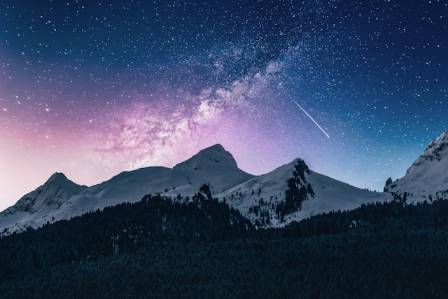
The Adirondack Mountains are an ideal destination for escaping the noise of daily life and experiencing the peaceful beauty of the night sky. With its remote wilderness, minimal light pollution, and breathtaking landscapes, the region offers excellent opportunities for stargazing and photographing the Milky Way.
Stargazing is much more than simply looking at stars. It is an opportunity to observe the entire universe beyond Earth, including planets, meteors, comets, constellations, and other celestial wonders. The key to a great stargazing experience is finding a location far away from artificial lights.
To discover nearby dark-sky areas, visitors can use light pollution maps that show the quality of nighttime visibility in different regions. The darker the area appears on the map, the better the conditions are for viewing stars.
When looking at nighttime satellite images of the United States, the Adirondack region appears as a large area of darkness compared with surrounding developed areas. Much of Adirondack Park is rated around Class 2 on the Bortle Scale, a nine-level system that measures sky brightness. Class 1 represents the darkest skies possible, while Class 9 represents heavily illuminated city skies. Under ideal conditions without moonlight, the Milky Way can become visible in areas rated Class 3 or 4 and darker.
The Best Seasons and Conditions for Stargazing
Summer is generally considered the best season for stargazing because longer evenings provide more time to explore the sky. During this period, many constellations and deep-space objects are easier to observe.
The Milky Way is most impressive from July through September, with August often providing some of the best viewing opportunities. The Perseid meteor shower reaches its peak around the middle of August, although smaller meteor showers can also be seen from June through October.
The bright central region of the Milky Way, where the largest concentration of stars and nebulae exists, is visible for only part of the year. During winter, from December through February, this area is hidden because it is too close to the sun’s position in the sky.
In spring, between March and May, the galactic center begins appearing shortly before sunrise. By June, it rises earlier in the night, and during the summer months it remains visible for much of the evening. In autumn, from September through November, the Milky Way is best viewed during the early evening before it disappears below the horizon.
For the clearest views, choose a location without major cities toward the southeast or southwest. Even when the sky directly above is dark, nearby urban lights can still reduce visibility if they are located in the direction you are viewing.
Essential Equipment for a Stargazing Adventure
A successful night-sky outing requires some preparation. Bringing the right supplies will make the experience safer, more comfortable, and more enjoyable.
A telescope or binoculars can greatly improve the experience by allowing you to see planets, moons, and distant celestial objects in greater detail.
A star map application or planisphere is useful for identifying constellations, planets, and major stars while exploring the night sky.
A red flashlight is recommended because it provides enough light to move around without damaging your night vision.
Warm clothing is important because nighttime temperatures can drop quickly, even during warmer months. Jackets, hats, gloves, and sturdy footwear can help keep you comfortable.
A blanket or portable chair provides a comfortable place to sit or relax while watching the stars.
Snacks and drinks are helpful for staying energized and hydrated during longer stargazing sessions.
Insect repellent is useful during warmer seasons when mosquitoes and other insects are active at night.
A first aid kit should always be included in case of minor injuries or unexpected situations.
A backup flashlight or headlamp is an essential safety item, especially when traveling in remote areas.
A camera or smartphone allows you to capture memories and photograph the night sky.
A map and compass are valuable tools when exploring unfamiliar areas, especially because many wilderness locations may have limited or no cell phone service.
With proper preparation and the right equipment, a stargazing trip can become a comfortable and unforgettable outdoor experience.
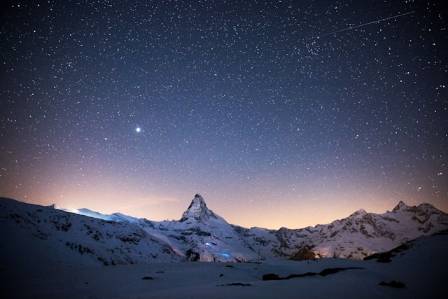
Tips for Photographing the Night Sky and Milky Way
Capturing the beauty of the stars requires patience and the correct photography techniques. The following suggestions can help improve night-sky photos.
Choose a location far from artificial lighting to reduce glare and improve visibility.
Use a sturdy tripod to keep the camera completely still during long exposures.
A wide-angle lens is ideal because it captures a larger portion of the sky and allows the Milky Way to appear more dramatic.
Increase the ISO setting to collect more light, but keep in mind that very high ISO values may introduce image noise.
Use longer exposure times, usually between 15 and 30 seconds or more depending on your camera and lens. Exposures longer than 30 seconds may cause stars to appear as trails and can blur landscape details. Adjusting ISO can help maintain a shorter exposure time.
Use manual focus and set the focus point near infinity to keep stars sharp and clear.
Experiment with different white balance settings to achieve the preferred colors and mood.
A remote shutter release or camera timer can prevent unwanted movement when taking the photo.
Most importantly, practice and remain patient. Photographing the Milky Way often requires experimentation before achieving the perfect image.
Best Places for Stargazing in the Adirondacks
The central High Peaks region of the Adirondacks offers several outstanding locations for viewing the night sky. These areas combine dark skies with beautiful natural surroundings.
Duck Hole
Duck Hole is one of the most peaceful stargazing destinations in the Adirondacks. Located within the Five Ponds Wilderness Area, this small pond and wetland area has been recognized as a National Natural Landmark.
The surrounding wilderness is home to a variety of plants and wildlife, making it an excellent destination for both astronomy enthusiasts and nature lovers. Its remote setting provides excellent conditions for observing stars.
Henderson Lake
Henderson Lake is another excellent location for nighttime viewing. It is relatively easy to access from nearby trails and offers beautiful views of the surrounding mountains.
The lake is also popular for camping and fishing, allowing visitors to combine stargazing with other outdoor activities.
Belfry Mountain
Belfry Mountain is a well-known hiking and astronomy destination in the northeastern Adirondack Park near Lake George, New York.
The mountain is famous for its restored historic fire tower, which provides a unique 360-degree viewpoint. Visitors can climb to the top and enjoy wide-open views of stars, planets, and constellations.
The summit also provides spectacular views of surrounding mountains and valleys, making it a favorite location for photographers.
Azure Mountain
Azure Mountain, located near Saranac Lake, New York, is known for its impressive views of the Adirondack Mountains and the St. Lawrence Valley.
Its restored fire tower, high elevation, low humidity, and limited light pollution create excellent conditions for observing the night sky.
During summer, volunteers from Friends of Azure Mountain sometimes provide information and answer questions from visitors at the summit. The hike is short but steep, and the area is also a wonderful location for a picnic.
Indian Head Mountain
Indian Head Mountain near Keene Valley, New York, is another popular stargazing destination.
The mountain offers dramatic views of surrounding valleys and peaks, along with dark skies ideal for astronomy. A short hike of approximately 1.7 miles leads to an open summit with unobstructed views.
The location is especially popular among photographers because of its sweeping scenery and distinctive rock formations.
Stillwater Reservoir
Located in the western Adirondacks, Stillwater Reservoir is a remote and peaceful place for observing the stars.
The reservoir was created in the 1940s as part of a hydroelectric project and is surrounded by wilderness. Its isolated location and low levels of light pollution make it an excellent place to view constellations and the Milky Way.
Besides stargazing, visitors can enjoy camping, fishing, and boating. Several campsites are available around the reservoir, although the remote environment means travelers should bring their own food, water, and camping supplies.
Camping and Boondocking Opportunities
The Adirondacks offer many camping and boondocking options, including several free campsites. Popular locations include Mason Lake near Speculator, the Saranac Lake Islands, Moose Pond, and Tioga Point.
The Adirondack region contains more than six million acres of protected natural land, providing countless opportunities for camping, hiking, fishing, kayaking, and outdoor exploration.
However, visitors planning to camp in remote areas should prepare carefully because many locations have limited access to electricity, water, and waste facilities. Online resources such as camping databases and government websites can help travelers find suitable locations and understand available services.
Final Thoughts
The Adirondacks are one of the finest destinations for experiencing the wonder of the night sky. Whether you are an experienced astronomer or someone discovering stargazing for the first time, the region’s dark skies and peaceful wilderness provide an unforgettable opportunity to reconnect with nature.
From remote lakes and mountain summits to quiet campgrounds surrounded by forests, the Adirondacks offer countless ways to admire the stars, photograph the Milky Way, and appreciate the incredible beauty above us.
यह भी पढ़ें

इतालवी पास्ता बनाने की कला
दफना बादाम
The Elegant History and Everyday Uses of Traditional Japanese Low Tables
Cole Robert West

Matcha Swiss Roll Cake
Chloe Mitchell

Best Homemade Lemonade in 2026
Benjamin Martinez

A Complete Guide: How to Style Women’s T-Shirts
Mia

नारियल और हथेलियाँ: थाई जीवन का एक अभिन्न अंग
अर्जुन