← मुखपृष्ठ4 मिनट का पाठ
विशेष लेख
Woodpeckers: The Vital Core of the Woodland
Discover one of the most fascinating avian families in existence as we explore the intricate lives of North American woodpeckers.
H
Henry
लेखक
लेख परिचय
नीचे पूरा लेख पढ़ें।
अनुभाग
समाचार
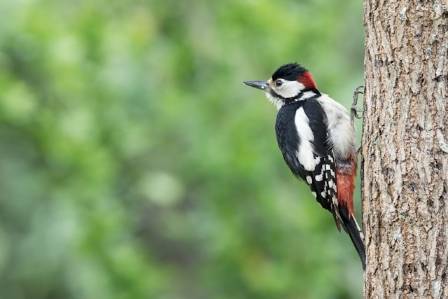
Discover one of the most fascinating avian families in existence as we explore the intricate lives of North American woodpeckers. These birds have developed unique adaptations that make them indispensable to the well-being of the forest, acting as keystone species across a multitude of wooded ecosystems. Their daily routines provide a foundation for countless other organisms, serving as a primary driver of biodiversity in their territories. Drawing from deep field experience and scholarly investigation, this study examines the cultural and natural legacy of these birds, spanning from the northern boreal reaches of Canada to the temperate oak and evergreen forests of the United States, and further into the humid tropical jungles of Mexico and the Caribbean islands. With a focus on 41 distinct species, this exploration details their survival challenges and conservation status, offering a comprehensive look at these legendary birds through detailed observations and ecological guides.
Woodpeckers: The Soul of the Forest
My introduction to the world of woodpeckers occurred in a quite ordinary setting. As a young child, I stood by my kitchen window, watching the rain with boredom and longing for a chance to leave my quiet neighborhood for a place where I could find something more exotic than a common robin.
Suddenly, a bird I initially mistook for a robin caught my eye. As it drew nearer, I noticed a spotted chest, an oversized beak, a striking red facial mark, and vibrant orange hues beneath its wings and tail. It was a male Northern Flicker! With a sudden burst of crimson, the bird vanished. That single encounter sparked a lifelong obsession; I began devouring every book available on flickers and their relatives, discovering how quiet observation and a sense of wonder could turn an ordinary afternoon into something extraordinary.
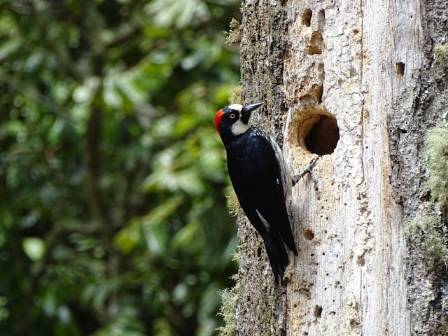
Ever since that moment, the distinctive call of the woodpecker has guided my travels from local yards to far-off lands. It has motivated me to wake before dawn, following the rhythmic sounds of their drumming to uncover the secrets of their hidden lives before they retreat into the dense canopy. My admiration has deepened as I realized that wherever large trees or cacti exist within a natural setting—be it the snowy forests of Alaska or the lush islands of the Tropics—there is always a woodpecker species present to remind me of the complexity of the environment and the bird's essential role in maintaining it.
The sheer variety of woodpeckers is a source of constant amazement. It is rare to find another animal family where several different species can be observed interacting within a single short stroll. Seeing so many related birds—each with its own size, color pattern, crest, and vocalization—living together in what seems like one environment challenges our understanding of how habitats are defined.
By watching multiple species in the same area, I began to see how each bird targets specific prey, utilizes different tree types, and forages at varying altitudes. Their preferences for nesting times and locations are equally diverse. Each species' unique requirements helped me perceive a complex mosaic of environments where I once saw only a uniform forest, allowing me to better grasp the elements necessary for their continued existence.
Because these birds inhabit every forested region in North America, their personal histories are intertwined with the story of our natural wilderness. Every woodpecker reshapes its environment in ways that provide shelter for other wildlife, bolsters the health of the ecosystem, and ultimately serves human interests. To experience this, we simply need to listen for their sounds, watch for their colorful flight, and appreciate the vibrant life that flourishes because of them.
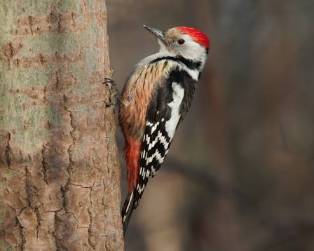
The study of these forty-one North American species covers their journey from the high Arctic to the Caribbean through the four major seasons of life. This includes the rituals of finding mates and excavating nesting cavities, the methods used to forage for and feed their brood, the transition of young birds as they leave the nest to find independence, and the strategies for surviving harsh winters. Throughout this journey, the specific habitat features required for each phase are highlighted.
In chronicling these avian lives, the narrative focuses on the most iconic behaviors while also examining unique outliers and ecological contrasts. Special attention is given to those species residing in the most vulnerable or delicate environments. By sharing these intimate glimpses into their private histories, the goal is to foster a greater public appreciation for their essential role in the world and to encourage the permanent safeguarding of both the birds and the wild places they call home.
यह भी पढ़ें

hi
सूर्यास्त देखने के लिए सबसे अच्छी जगहें
मार्था नाइट

en
The 10 Priciest Superyachts You Won’t Believe Exist
Paul

hi
जेम्स मैकनिकोलस: द बॉक्सर समीक्षा - एक धमाकेदार कॉमेडी
जतिन

en
10 Surprising Hamster Facts
Logan Pierce

en
Stunning Hidden Glacial Lakes to Visit
Orion Hale
en
Interesting Facts About Four Leaf Clovers for Saint Patricks Day
Robert Andrew Johnson