विशेष लेख
Ten Astonishing Facts About Sharks
Sharks are among the most misunderstood and fascinating creatures in our oceans. While they are often portrayed as mindless predators, they are actually complex animals with remarkable biological traits and an essential role in the marine ecosystem.
Marcus Hale
लेखक
लेख परिचय
नीचे पूरा लेख पढ़ें।
अनुभाग
समाचार
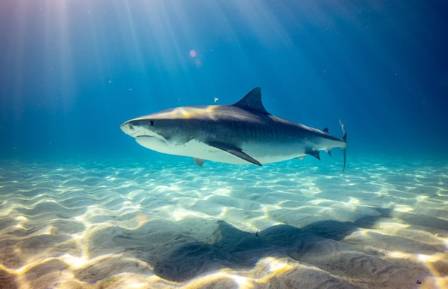
Sharks are among the most misunderstood and fascinating creatures in our oceans. While they are often portrayed as mindless predators, they are actually complex animals with remarkable biological traits and an essential role in the marine ecosystem.
Numerous Shark Species Face the Threat of Extinction
Our oceans are home to over a thousand different types of sharks and rays. Unfortunately, data from global conservation organizations indicates that nearly 40% of these species are currently at risk of disappearing. This decline is largely driven by human activities, including climate change, the destruction of natural habitats, and industrial fishing practices such as overfishing and accidental bycatch. Many well-known species, such as the Great Hammerhead and the Sand Tiger shark, are officially listed as critically endangered, highlighting the urgent need for marine conservation.
Coconuts Pose a Greater Statistical Risk Than Sharks
Pop culture has spent decades teaching us to be terrified of shark encounters, but the statistics tell a very different story. You are actually thirty times more likely to be killed by a falling coconut than by a shark. Annually, shark-related fatalities average only about five people worldwide. In contrast, humans are the much more lethal predators, responsible for the deaths of approximately 100 million sharks every year through global fisheries.
A Single Shark Can Cycle Through 30,000 Teeth
While humans only get one set of adult teeth to last a lifetime, sharks are constant tooth-production machines. Over its life, an individual shark can lose and replace more than 30,000 teeth. Behind their primary row of functional teeth, sharks have multiple backup rows waiting in reserve. When a tooth is lost during hunting or through natural wear, a new one moves forward like a conveyor belt to fill the gap, ensuring they always have the tools necessary for survival.
Sharks Are Naturally Immune to Tooth Decay
Despite their massive number of teeth, sharks never have to worry about cavities. This is due to a natural biological advantage: the surface of shark teeth is naturally permeated with fluoride. This protective coating acts as a permanent shield against decay and bacteria, meaning sharks maintain perfect dental health without ever needing to brush.
Shark Skin Shares More Similarities with Teeth Than Scales
If you were to touch a shark, it wouldn't feel like a typical fish. Their skin is covered in tiny, V-shaped structures known as dermal denticles. These are essentially miniature teeth, complete with an inner pulp and an outer layer of enamel-like dentine. These specialized scales are so effective at reducing friction and turbulence that Olympic swimmers have used high-tech suits inspired by shark skin to move faster through the water. Additionally, because these scales are so durable, they can fossilize just like actual teeth.
Diverse Reproductive Methods Among Species
Sharks exhibit a fascinating variety of ways to bring new life into the world, depending on the specific species. Some sharks are oviparous, meaning they lay eggs protected by leathery cases often referred to as "mermaid purses." Others are viviparous, carrying their young much like mammals and giving birth to live, fully-formed pups. There is also a third category known as ovoviviparous, where eggs hatch inside the mother’s body, and the pups continue to develop internally until they are eventually born alive.
Extreme Sibling Rivalry in the Womb
The struggle for survival begins even before birth for certain species. In the case of Sand Tiger sharks, the largest embryos in the womb will actually consume their smaller siblings while they are still developing. This process, known as intrauterine cannibalism, ensures that only the most robust and aggressive offspring survive to be born. Interestingly, female Sand Tiger sharks possess two separate uteri, allowing for this competitive process to occur in two places at once.
The Unique Biological Sixth Sense
Sharks possess a sensory capability that humans lack entirely. Through a specialized organ called the ampullae of Lorenzini, they can detect the minute electrical impulses emitted by the muscles and heartbeats of other living creatures. This "sixth sense" allows them to find prey hidden under the sand or in total darkness. Hammerhead sharks, for example, use their wide heads to sweep the seafloor like a living metal detector, picking up electrical signals from buried stingrays.
The Silent Predators of the Sea
Unlike many other marine mammals such as whales or dolphins, sharks are incapable of making vocal sounds. They lack vocal cords entirely, meaning they hunt and navigate in complete silence. This silent nature adds to their efficiency as apex predators, allowing them to move through their environment without alerting potential prey.
Experience One of the Largest Collections of Marine Predators
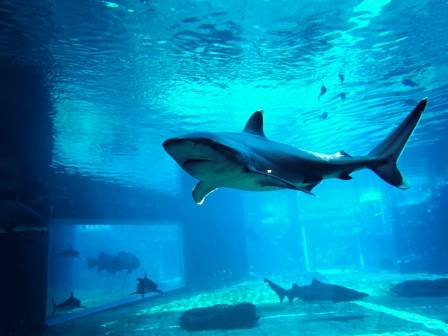
For those interested in seeing these animals up close, certain facilities offer extensive exhibits featuring a wide variety of species. From underwater tunnels that provide a 180-degree view of sharks swimming overhead to suspension bridges that allow you to walk directly above them, modern aquariums provide unique educational opportunities to appreciate these magnificent animals and understand the importance of protecting them for future generations.
यह भी पढ़ें

5 खेल जो आपको उड़ते हैं
आलिया

दुनिया के 5 सबसे जिज्ञासु जानवरों का रहस्योद्घाटन
सुमन

महिलाओं के ओवरऑल चुनने के लिए व्यापक मार्गदर्शिका
अदिति उपाध्याय

टी+एल संपादकों और योगदानकर्ताओं के अनुसार, दुनिया भर में 10 सर्वश्रेष्ठ स्की रिसॉर्ट्स
स्टेसी लीसा

दुनिया के शीर्ष 10 सबसे बड़े घास के मैदान
श्रेया

Who is the most popular and famous soccer player in the world?
Leif