विशेष लेख
World’s Most Stunning Grasslands: A Visual Journey
Grasslands, with their vast stretches of green, diverse wildlife, and unique ecological rhythms, are some of the most captivating landscapes on Earth. From the rolling hills of North America to the fertile plains of Europe, these regions not only showcase natural beauty but also play a crucial role in supporting countless species and human communities. Let’s explore six of the world’s most breathtaking grasslands, each with its own distinct charm and story.
Natalie Cooper
लेखक
लेख परिचय
नीचे पूरा लेख पढ़ें।
अनुभाग
समाचार
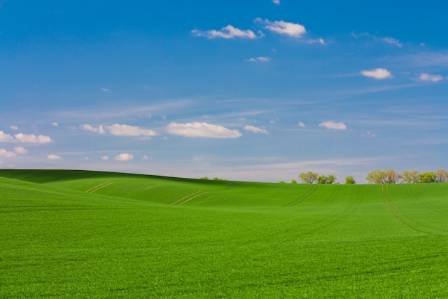
Grasslands, with their vast stretches of green, diverse wildlife, and unique ecological rhythms, are some of the most captivating landscapes on Earth. From the rolling hills of North America to the fertile plains of Europe, these regions not only showcase natural beauty but also play a crucial role in supporting countless species and human communities. Let’s explore six of the world’s most breathtaking grasslands, each with its own distinct charm and story.
Konza Tallgrass Prairie
Nestled in the Flint Hills of northeastern Kansas, USA, the Konza Tallgrass Prairie is a natural wonder that boasts unspoiled beauty. This expansive grassland thrives in a continental climate, with warm, rainy summers and cold, dry winters. Annual rainfall averages 32.9 inches (835 mm)—enough to sustain woodlands or savannas—yet the prairie’s existence is maintained by natural forces like droughts, wildfires, and grazing animals, which prevent the spread of trees.
The terrain here is surprisingly varied, with elevations ranging from 1,050 to 1,457 feet (320 to 444 meters). Beyond the dominant tallgrass, the area includes forests, claypan soils, shrublands, and riparian zones, all interspersed with limestone outcrops that add character to the landscape. Biodiversity abounds: the prairie is home to 576 vascular plant species, 31 mammals, 208 bird species, 34 reptiles and amphibians, 20 fish species, and over 700 invertebrates, making it a hotspot for ecological study and wildlife observation.
Hulunbuir Grassland
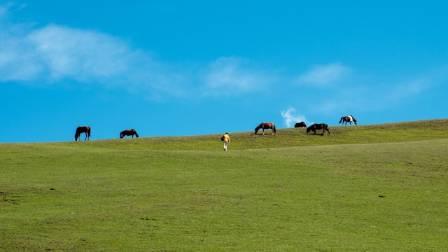
Located in the northeastern part of Inner Mongolia Autonomous Region, China, the Hulunbuir Grassland is celebrated as one of the country’s most pristine and visually stunning grasslands. Its ecosystem is rich and diverse, with over 1,000 plant species carpeting the land. During summer, the grass grows lush and vibrant, dotted with colorful wildflowers, while meandering rivers and crystal-clear lakes weave through the landscape, reflecting the sky above.
Herds of sheep and cattle graze peacefully, and the traditional yurts of local herdsmen dot the horizon, their presence accompanied by the inviting scents of milk tea and fermented beverages. Summer is the ideal time to visit, when the grassland basks in golden light at sunset, creating a mesmerizing scene that feels both magical and timeless. For travelers, it’s an immersive experience that connects them with nature and nomadic culture.
Palouse Grasslands
Stretching across the intermountain west—from southwestern Canada into western Montana—the Palouse Grasslands once covered vast swathes of rolling hills with native grasses. Unlike many North American grasslands, such as the shortgrass prairies of the Great Plains or the tallgrass regions of the Midwest, this ecosystem historically thrived without frequent wildfires or heavy grazing by large herbivores.
Everything changed in the late 19th century, when European settlers arrived, bringing with them controlled burns and livestock. These new influences drastically altered the native plant life. Today, much of the Palouse has been converted into farmland and towns, making the remaining patches of original grassland all the more precious. The rolling hills, once a sea of native grasses, now tell a story of human impact and ecological adaptation.
Prau Spain
Cantabria, part of “Green Spain”—the lush strip between the Bay of Biscay and the Cantabrian Mountains—is home to the scenic Prau grasslands. This region owes its vibrant greenery to a mild, oceanic climate, with the mountains trapping Atlantic winds that bring abundant rainfall (around 1,200 mm/47 inches annually), creating ideal conditions for vegetation to flourish.
The grass here is soft and vivid, carpeting a countryside dotted with farms that sustain local communities. Covering 5,321 square kilometers and home to 568,091 people—about 1.27% of Spain’s total population—Cantabria blends natural beauty with rural life, offering a peaceful retreat where the land’s fertility supports both agriculture and breathtaking landscapes.
West Pennine Moors
The West Pennine Moors, spanning approximately 230 square kilometers across Lancashire and Greater Manchester, UK, are a unique blend of moorland, reservoirs, and wooded valleys (known locally as “cloughs”). The skyline here is defined by iconic landmarks like Rivington Pike, Holcombe Tower, and Jubilee Tower on Darwen Moor, which add historical and cultural depth to the natural scenery.
One of the area’s most striking features is the wild grass dotted with colorful blooming flowers, which paint the landscape in vibrant hues during the growing season. The reservoirs, nestled among the moors, reflect the changing skies, creating a serene and picturesque setting that attracts walkers, nature lovers, and those seeking tranquility away from urban life.
Machair
Machair refers to the fertile, low-lying grassy plains found along the northwest coasts of Scotland and Ireland. A stunning example can be seen on West Beach, Isle of Berneray, in the Outer Hebrides, UK. This unique habitat lies at very low elevations, with high water levels during winter that shape its ecology.
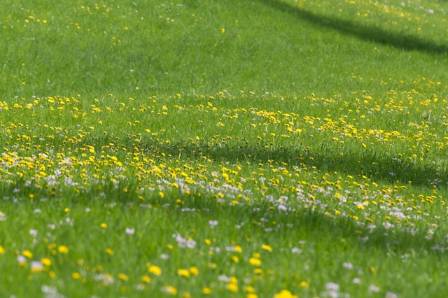
In summer, the machair comes alive with wildflowers, their colors shifting depending on crop types, land management practices, or even planting dates, creating a visually striking tapestry. The best time to witness this floral display is July and early August, just before the crops are harvested in mid-August. The combination of fertile soil, coastal breezes, and seasonal blooms makes machair a truly distinctive and beautiful grassland.
Conclusion
Grasslands are more than just vast stretches of green—they are dynamic ecosystems that support diverse life, tell stories of human and natural history, and offer moments of tranquility and wonder. From the tallgrass prairies of Kansas to the coastal machair of Scotland, each grassland on this list showcases the unique interplay between climate, geography, and life. Whether you’re drawn to the biodiversity of Konza, the cultural richness of Hulunbuir, or the scenic beauty of the West Pennine Moors, these landscapes remind us of the planet’s natural diversity and the importance of preserving such treasures for future generations. Visiting them is not just a journey through space, but a connection to the rhythms of nature that have shaped our world.
यह भी पढ़ें

चीनी मिठाइयाँ और पकवान: एक व्यापक अवलोकन
रोशनी बाजवा

Drawing Inspiration from Antiquity: Ancient Artifacts' Impact on Contemporary Architecture
Penelope Sage

10 Simple Curry Recipes
Aiden Jasper

ब्रह्मांड और सौर मंडल का गहन विश्लेषण
गीता खत्री

क्या पिज़्ज़ा सेहतमंद है? पिज़्ज़ा प्रेमियों के लिए पोषण संबंधी सुझाव
उदय

सूची: दुनिया के सबसे ऊंचे टीवी प्रसारण टावर
शशांक