विशेष लेख
Different Types of Classic Cars
Owning a classic car is often a dream sparked by unforgettable movie appearances or time spent wandering through auto shows. Finally reaching the point of buying one is exciting—but it also comes with serious responsibility. A classic car is not a casual purchase; it’s a long-term investment that demands planning, care, and a clear idea of how it will fit into your lifestyle.
Vivienne Clare
लेखक
लेख परिचय
नीचे पूरा लेख पढ़ें।
अनुभाग
समाचार
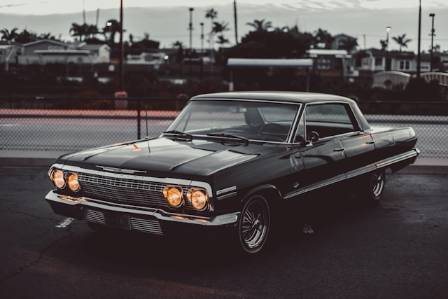
Owning a classic car is often a dream sparked by unforgettable movie appearances or time spent wandering through auto shows. Finally reaching the point of buying one is exciting—but it also comes with serious responsibility. A classic car is not a casual purchase; it’s a long-term investment that demands planning, care, and a clear idea of how it will fit into your lifestyle.
Before starting your search, it’s important to understand that “classic cars” cover a wide range of vehicles, from early automotive pioneers to more modern performance icons. Each type has its own driving limitations, restoration needs, and storage requirements. Knowing these differences will help you decide which category suits your expectations, budget, and intended use.
Main Types of Classic Cars
Although the term “classic car” is often used broadly for vehicles over 25 years old, collectors usually break them into several categories based on age and purpose.
Antique Cars
These are the earliest automobiles ever produced, generally built before the 1920s. Often called “horseless carriages,” they were never designed for modern road conditions and are typically not used for regular driving today. Instead, they serve as museum pieces or display vehicles. Examples include early models like the 1903 Cadillac Model A and the Ford Model T.
Vintage Cars
Vintage vehicles typically come from the 1920s and 1930s. Many of them can still run, but they are not built for daily use due to their age and mechanical limitations. They are highly valued at exhibitions but often require extensive maintenance and rare replacement parts. Notable examples include early luxury and racing-era machines such as the Hudson Super Six and early Aston Martin models.
Classic Cars
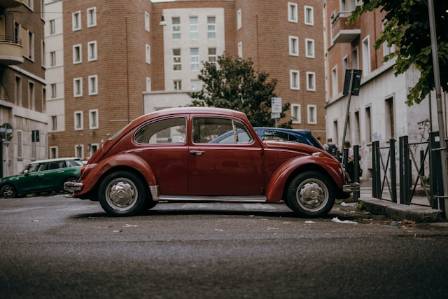
This is the broadest category and generally includes any vehicle older than 25 years that is still roadworthy. Unlike antique or vintage cars, these can often be driven in normal traffic conditions. They may not offer modern comfort or safety features, but they remain popular for their style, history, and driving character. Well-known examples include the Volkswagen Beetle, Jaguar E-Type, Mercedes-Benz 300SL, and similar iconic models.
Sports Cars
Sports cars are built with performance in mind. Designed for speed, agility, and driving enjoyment, they usually feature two seats, aerodynamic styling, and powerful engines. They come in various forms such as roadsters and grand tourers. Depending on condition, they can be used for commuting, weekend drives, track use, or collection purposes. Famous examples include the Chevrolet Corvette, Porsche 911, and Dodge Viper.
Muscle Cars
Muscle cars are defined by raw straight-line power. Popular mainly from the 1960s onward, they typically use large V8 engines and rear-wheel drive setups to deliver strong acceleration. These vehicles are often associated with American automotive culture and remain highly collectible. Iconic models include the Ford Mustang, Pontiac GTO, Dodge Charger, and Chevrolet Chevelle SS.
Key Differences Between Classic Car Categories
Although enthusiasts may choose a car based on emotion or design, understanding the key differences between categories is essential for ownership planning, especially for insurance, storage, and restoration costs.
Age Classification
Age is the primary factor used to define each category:
Antique: Built before 1920
Vintage: Built between 1920 and 1930
Classic: Typically 25 years or older
Historical Registration Status
Depending on local regulations, classic vehicles may qualify for special registration types such as historic or collector plates. These classifications vary by region and often come with specific usage rules, inspection requirements, and potential benefits or restrictions.
Value and Cost Considerations
While age can qualify a car as “classic,” it doesn’t guarantee high market value. Some older vehicles are highly desirable and expensive, while others may be inexpensive but difficult to restore due to limited parts availability. Restoration costs can sometimes exceed the value of the vehicle itself, so careful evaluation is essential before purchasing.
Ownership and Storage Considerations
Classic cars require proper long-term care to maintain their condition. Clean, dry storage is essential, and many high-value antique vehicles benefit from climate-controlled environments. In fact, many collectors spend significant amounts each year just on storage and preservation.
Because dedicated storage facilities can be expensive, many owners look for more affordable local options that still provide protection from weather, humidity, and damage. Planning ahead for storage is just as important as selecting the vehicle itself.
Final Thoughts
There is no single “best” classic car. Each category offers something different, whether it’s historical value, performance, design, or driving enjoyment. Most collectors ultimately choose based on personal passion rather than practicality.
However, before making a purchase, it’s crucial to understand the responsibilities involved. A classic car is more than just transportation—it’s a preserved piece of automotive history that requires time, money, and care to maintain properly.

यह भी पढ़ें

दुनिया के सबसे अच्छे गांव कौन से हैं?
समीर

चार ऋतुएँ: प्रकृति के बदलते चक्रों की सुंदरता और आश्चर्य की सराहना
विनय

वर्न्मी झील का अकेला पेड़
उदय

Leveraging Seasonal Fruits for Optimal Anti-Inflammatory Defenses
Isaiah Ward

10 रंग विकल्प जो छोटे कमरों को बड़ा दिखाएंगे
कवि

Autumn Harvest Art Intensive: A Five-Day Workshop in Drawing and Painting
Daniel Carter Whitmore