विशेष लेख
Teishoku Time: Five Kinds of Japanese Set Meals!
Today, we’re taking a closer look at one of the most recognizable meal styles in Japan. Rather than focusing on a specific regional specialty, this article explores teishoku, a dining format that can be found in countless Japanese restaurants both in Japan and abroad.
Daisy Lane
लेखक
लेख परिचय
नीचे पूरा लेख पढ़ें।
अनुभाग
समाचार
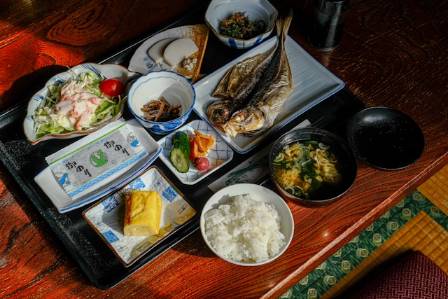
Today, we’re taking a closer look at one of the most recognizable meal styles in Japan. Rather than focusing on a specific regional specialty, this article explores teishoku, a dining format that can be found in countless Japanese restaurants both in Japan and abroad.
Teishoku refers to a Japanese set meal. While many countries offer meal combinations or set menus, teishoku has a unique structure and identity that makes it distinctly Japanese. Although the main dish may vary, the overall format remains largely the same.
Many travelers know that convenience stores offer inexpensive meals, making them a popular option for those on a budget. However, after a long day of sightseeing, a nutritious and satisfying meal is often a better choice. Teishoku provides a balanced, filling, and affordable dining experience, making it an excellent option for visitors and locals alike.
What Makes Up a Teishoku?
A traditional teishoku consists of several essential components served together on a tray. At the center is the main dish, accompanied by a bowl of rice, a serving of miso soup, and one or more side dishes or pickled vegetables.
The main dish is typically a protein-based item that pairs well with rice. Popular choices include grilled fish, chicken namban, pork shogayaki, and many other Japanese favorites.
Side dishes play an important role in completing the meal. They add variety in flavor and texture, help cleanse the palate, and contribute to the overall nutritional balance. Depending on the restaurant, diners may receive anywhere from a couple of side dishes to several small accompaniments.
Now, let’s explore five popular teishoku varieties commonly found throughout Japan.
Chicken Namban Teishoku
One of the most widely available teishoku options is Chicken Namban. This beloved dish originated in Miyazaki Prefecture during the 1950s and was inspired by Western culinary influences.
The word “Namban” is associated with the Portuguese traders who once visited Japan and introduced cooking methods involving sweet vinegar-based marinades. Over time, the dish evolved into a local specialty and eventually gained nationwide popularity.
Chicken Namban typically features juicy fried chicken coated in a sweet and tangy vinegar sauce and topped with creamy tartar sauce. Its combination of flavors makes it a favorite among both children and adults.
Shogayaki Teishoku
Shogayaki, which translates to “ginger-fried,” is another classic Japanese comfort food. The dish is prepared using thin slices of pork cooked with soy sauce, mirin, sake, and fresh ginger.
It is believed that ginger was originally used to reduce the strong aroma of pork, but today it is valued for the distinctive flavor it brings to the dish.
Simple, flavorful, and quick to prepare, shogayaki pairs perfectly with steamed rice. As one of Japan’s most popular pork dishes, it is an excellent choice for diners looking for something comforting and uncomplicated.
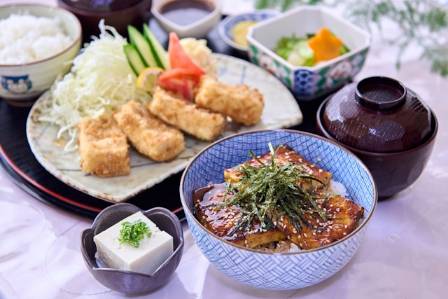
Kaki Fry Teishoku
Kaki Fry Teishoku highlights one of Japan’s most beloved seafood dishes: deep-fried oysters.
Fresh oysters are coated in breadcrumbs and fried until crisp and golden on the outside while remaining tender inside. The oysters commonly used for this dish are Pacific oysters, which are harvested in regions such as Hiroshima Prefecture and the Seto Inland Sea.
Because oysters have a rich and distinctive flavor, they are often served alongside shredded cabbage or fresh salad. Tartar sauce is also a popular accompaniment, providing a creamy contrast to the crunchy coating.
Udon Teishoku
Many people associate teishoku with rice, but udon can also play a central role in this meal style.
At first glance, combining rice and noodles in one meal may seem unusual. However, the chewy texture and light flavor of udon complement rice surprisingly well.
One particularly famous style is Bukkake Udon, which originated in Kagawa Prefecture, a region often referred to as Japan’s udon capital. In many local udon restaurants, customers enjoy bowls of noodles alongside tempura or fried side dishes, creating a meal that closely resembles a teishoku set.
Saba Teishoku
Saba Teishoku is a simple yet classic meal centered around grilled mackerel.
The fish is usually seasoned with salt and served with grated daikon radish and a slice of lemon to enhance its flavor. Light yet satisfying, this meal is suitable for breakfast, lunch, or dinner.
Mackerel has long been an important part of Japanese cuisine and is caught throughout the country. Its significance is reflected in history through the famous Saba Kaido, or “Mackerel Road,” a historic trade route that connected Fukui Prefecture with Kyoto.
Experience Teishoku at JAPAN RAIL CAFE Singapore
Visitors to JAPAN RAIL CAFE Singapore can enjoy all five teishoku styles featured in this article through the café’s dedicated Teishoku Menu series.
Designed to provide hearty and affordable meals, each set comes with two side dishes selected from a rotating lineup of six options:
Zangi (Hokkaido-style fried chicken)
Crab Cream Croquette
Nasu Agetabashi (braised eggplant)
Katsuo Tataki (lightly seared bonito)
Edamame
Potato Salad
With numerous possible combinations available, every visit offers the opportunity to create a different dining experience.
To make things even more exciting, the café also hosts special promotions and giveaways through its social media channels, giving customers even more reasons to explore the world of teishoku.
Conclusion
Teishoku represents the heart of everyday Japanese dining. By combining rice, soup, a main dish, and side dishes into one balanced meal, it delivers convenience, nutrition, and great value.
Whether you choose crispy Chicken Namban, flavorful Shogayaki, crunchy Kaki Fry, comforting Udon, or traditional Saba, each teishoku offers a satisfying taste of Japanese food culture. For anyone looking to enjoy an authentic and well-rounded meal, teishoku remains one of the best choices available.
यह भी पढ़ें

कप्पाडोसिया में परी चिमनी - प्रकृति की अवास्तविक मूर्तियाँ
गगन
How to make a Chicken Salad Bowl
Ophelia Bloom
My Top 10 Favorite Bakeries Around the World
Declan Ashford

No Total Solar Eclipses in 2025 — But Two Total Lunar Eclipses Await
George Orwell

The Secrets Behind Why Wild Rodents Love Running On Wheels Just Like Your Pet Hamster
Carter Amelia

पांडा के बारे में टॉप 10 बातें
रेखा