विशेष लेख
The Best Classic Cars of All Time
Classic automobiles occupy a special role in the evolution of the automotive world, linking past innovations with the vehicles we drive today. They are far more than simple transportation; they represent a legacy of craftsmanship, engineering breakthroughs, and cultural influence that continues to captivate collectors and enthusiasts.
Ethan Brooks
लेखक
लेख परिचय
नीचे पूरा लेख पढ़ें।
अनुभाग
समाचार
Classic automobiles occupy a special role in the evolution of the automotive world, linking past innovations with the vehicles we drive today. They are far more than simple transportation; they represent a legacy of craftsmanship, engineering breakthroughs, and cultural influence that continues to captivate collectors and enthusiasts.
A car is generally labeled “classic” based on its age, rarity, and historical importance. While many consider 20 years the minimum threshold, stricter definitions often require a vehicle to be at least 30 years old, sometimes placing it in vintage or antique categories.
The fascination with classic cars largely stems from their distinctive styling and meticulous construction. Unlike many modern vehicles, these cars often showcase unique design elements and a level of detail that reflects the artistry of their era. Beyond their physical attributes, they also carry emotional significance, evoking memories of past decades, personal stories, and cultural milestones.
When selecting the standout classic cars discussed here, several factors are taken into account: design excellence, engineering innovation, cultural impact, and desirability among collectors. These criteria help explain why certain models have achieved legendary status and continue to be admired today.
Ford Mustang
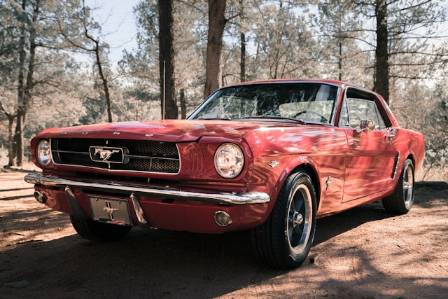
Introduced in 1964, the Ford Mustang quickly became one of the most recognizable cars in history and launched the “pony car” category. Built on the Falcon platform, it combined affordability with sporty performance, appealing to a wide audience. Its signature long hood, short rear deck, and aggressive stance defined a new era of automotive design.
Over time, the Mustang has gone through multiple generations, each introducing new technology while preserving its original spirit. High-performance versions like the GT and Shelby models highlighted its engineering advancements, featuring powerful V8 engines and strong racing credentials.
Beyond performance, the Mustang became deeply embedded in American culture, symbolizing independence and rebellion. Its presence in films, music, and motorsports has helped maintain its iconic status for decades.
Chevrolet Corvette
Since its debut in 1953, the Corvette has been known as “America’s sports car.” Over the years, it has continuously evolved, blending performance with cutting-edge design.
Early models introduced a lightweight fiberglass body and sleek styling, while later generations brought more powerful engines and advanced engineering. The Sting Ray design of the 1960s and subsequent innovations helped solidify its reputation.
Modern versions have embraced advanced materials and technology, culminating in the mid-engine layout of the latest generation. Despite constant evolution, the Corvette has remained a symbol of American performance and innovation.
Porsche 911
The Porsche 911 stands as one of the most enduring sports cars ever created. Introduced in 1964, it is instantly recognizable thanks to its distinctive silhouette and rear-engine configuration.
Over decades, the 911 has been refined through numerous versions, including high-performance variants like the Turbo and GT3. These models incorporate advanced engineering while maintaining the car’s core identity.
Its loyal fan base and success in motorsports further reinforce its legendary reputation. The balance between tradition and innovation ensures the 911 remains relevant across generations.
Jaguar E-Type
Often described as one of the most beautiful cars ever built, the Jaguar E-Type debuted in 1961. Its sleek shape and elegant proportions made it an instant classic.
Equipped with powerful inline-six engines, the E-Type delivered impressive performance for its time. Advanced features such as independent suspension and disc brakes enhanced both handling and safety.
Its popularity among celebrities and its presence in popular culture cemented its place as an icon of 1960s automotive design.
Volkswagen Beetle
The Volkswagen Beetle, originally designed as an affordable “people’s car,” became one of the most recognizable vehicles in the world. Its rounded shape and rear-engine layout made it both distinctive and practical.
Over decades of production, the Beetle gained global popularity for its simplicity, reliability, and charm, becoming a symbol of accessible mobility.
Mercedes-Benz 300SL Gullwing
The 300SL Gullwing is renowned for its unique upward-opening doors and innovative engineering. Its lightweight construction and powerful engine made it one of the fastest cars of its time.
It also introduced fuel injection technology to production vehicles, setting new standards for performance. Its racing success and association with prominent figures further elevated its status.
Aston Martin DB5
The Aston Martin DB5 is widely recognized for its connection to the James Bond films. Combining luxury with performance, it featured a powerful engine and refined interior.
Its appearance in movies like Goldfinger made it a cultural icon, and its rarity has made it highly desirable among collectors.
Chevrolet Camaro
Introduced as a competitor to the Mustang, the Camaro quickly established itself as a key player in the muscle car segment. Its bold styling and powerful engine options made it a favorite among performance enthusiasts.
Over time, it has continued to evolve while maintaining its identity. Its appearances in films and media have helped secure its place in popular culture.
Ferrari 250 GTO
The Ferrari 250 GTO is one of the rarest and most valuable classic cars ever produced. With only a limited number built, it is highly sought after by collectors.
Designed for racing, it featured a lightweight body and powerful V12 engine, achieving remarkable success on the track. Its elegant design and exclusivity have made it a benchmark for automotive excellence.
Final Thoughts: The Lasting Impact of Classic Cars
Classic cars continue to play an important role in today’s automotive culture. They represent a blend of artistry, engineering, and history that resonates across generations.
Their appeal goes beyond aesthetics, reflecting a desire to preserve the heritage of the automobile. Enthusiasts and collectors remain dedicated to maintaining and restoring these vehicles, ensuring their stories are not lost over time.
Modern car design often draws inspiration from these classics, showing their continued influence. Ultimately, classic cars serve as a bridge between past and present, keeping the passion for automotive excellence alive for future generations.
यह भी पढ़ें

ब्रुकलिन ब्रिज पर कैसे चलें (और इसे मज़ेदार बनाएं)
नैना

तटीय सुंदरता का समृद्ध परिचय
मंसी

2025’s Hottest Sunglasses Styles for Women: A Guide to This Year’s Top Trends
Harper Collins

कुशल विश्व-निर्माण: एक घंटे से भी कम समय में कॉन्सेप्ट आर्ट तैयार करना
सीमा चौहान

अब तक के शीर्ष 10 ऐतिहासिक जहाज
विक्रम

Soft & Fluffy Cupcakes
Aurora Quinn